
The Aftermath of the Pulwama Attack
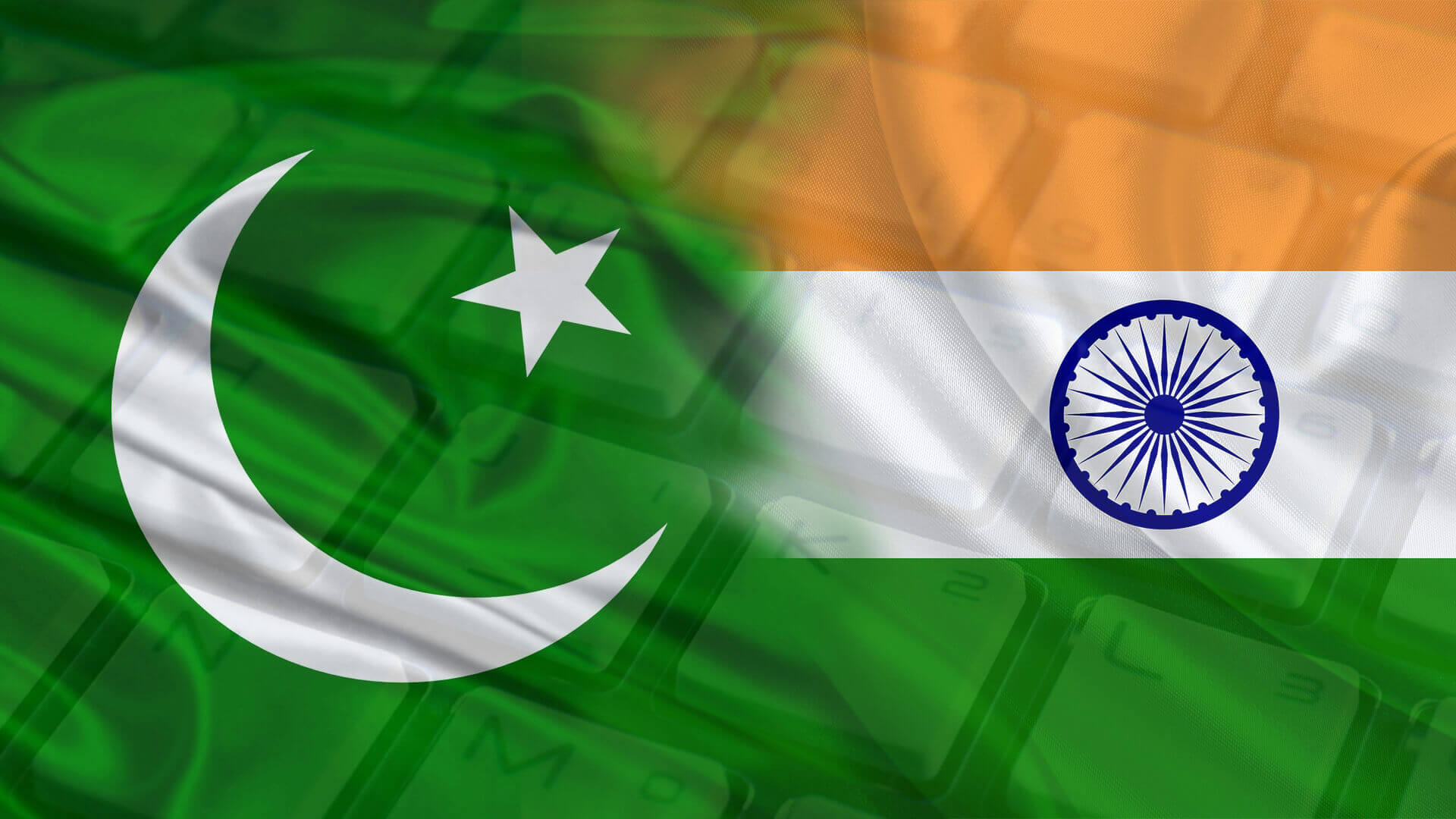
Since February 14, when a fidayeen attack on the convoy of CRPF jawans resulted in the martyrdom of 40 soldiers, tensions have escalated between India and Pakistan. The attack was orchestrated by Jaish-e-Mohammad, led by Masood Azhar, via a video of the assailant Adil Ahmed Dar.
In the wake of the attack, India was in a state of outrage, demanding strict action against JeM. This response was fueled by two previous surgical strikes: one in Myanmar against NSCN-K and Kanglei Yawol Kanna Lup on 9th June 2016, and another along the LOC on 29th September 2016. These actions set a precedent for a firm response, creating a wave of fear in Pakistan and various media reports speculated about another potential strike.
The Surgical Strike
On February 26th, 2019, the Indian Air Force, led by Air Chief Marshal BS Dhanoa, responded by conducting an airstrike around 3:30 AM IST. Twelve Mirage 2000 jets unloaded bombs over Chakothi, Muzaffarabad in POK, and Balakot in Khyber Pakhtunkhwa. This strike targeted training camps of JeM, Hizbul, and Lashkar-e-Taiba, intensifying tensions between the two nations. Despite the retaliatory rhetoric from Pakistan’s PM Imran Khan and FM Shah Mahmood Qureshi, the strike did not harm Pakistani army troops or infrastructure; its sole purpose was to target terrorist camps.
The Aerial Engagement
On February 27th, Pakistani fighter jets entered Indian airspace, leading to a counter-attack in which India shot down an F-16. Unfortunately, India's MiG-21 also went down, and Wing Commander V Abhinandan was captured in POK. On February 28th, PM Imran Khan ordered his release as a "gesture of peace," but this was more likely due to international pressure rather than a genuine peace offering.
Media and Social Media Warfare
Beyond the physical conflicts, a separate war was raging on social media between India and Pakistan. Both countries' media fueled the tensions, creating "war rooms" in their studios to capitalize on the situation for TRP. This led to a series of false claims and a divided public opinion, with hashtags like #SayNoToWar and #SayYesToWar trending simultaneously. However, sensible voices on both sides recognized the necessity of India's actions and understood that the armed forces know what is best for their respective countries.
The Path to Peace
Pakistan and even India should understand that lasting peace is in the best interest of both nations. We would welcome Pakistan if they sincerely try to establish peace and eliminate terrorism from their land. India would be delighted to help them in this endeavor. Together, we can work through the challenges we face. However, if Pakistan tries to harm India, this new India will respond decisively, as seen in the surgical strike and airstrike. It is best to leave these critical decisions to our capable military, who understand what is in our country's best interest.