

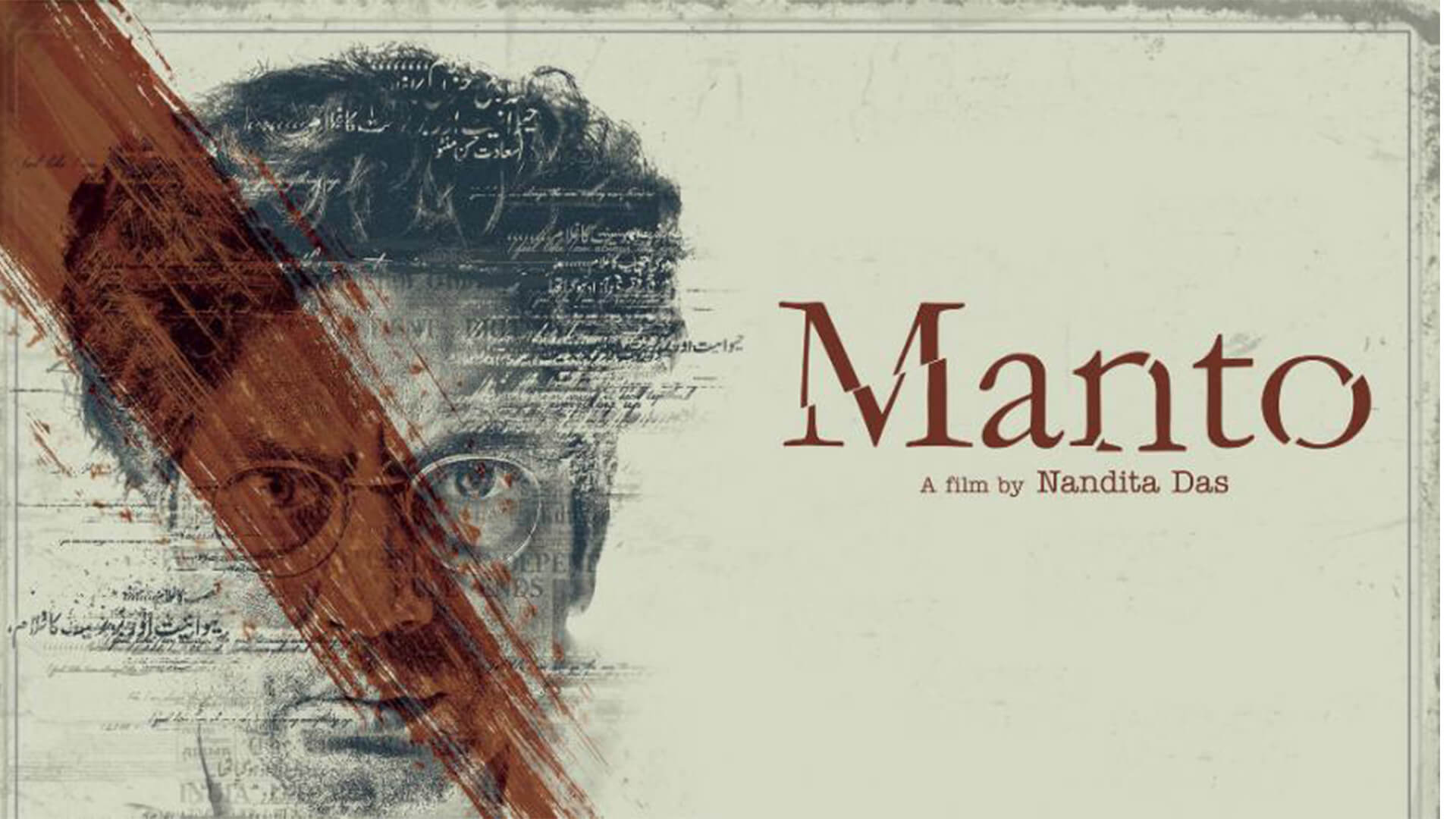
Introduction
"...and it is also possible that Saadat Hasan dies, but Manto remains alive."
Saadat Hasan Manto, who lived in Pakistan, was unable to leave India until his death in 1955 in Lahore. He left Bombay (then Bombay, now Mumbai) in 1948 when he realized that the tension and consequences of partition had killed humanity even in Mumbai.
Manto Film Review
Manto lived in a poignant environment, and as a writer, he advocated throughout his life the idea of presenting to readers what he saw in his surroundings, holding a mirror in his mind and in his words.
In the film by Nandita Das, which deals with his haunting, heart-breaking journey, we see what he felt about his surroundings and his inspirations for his stories – brothels, sexual desires, and a melancholic environment.
The Plot
The plot of the movie begins in 1946 when Manto was in Mumbai, established as a playwright and screenwriter, enjoying his prime yet sensitive towards the society in which he lived. As a result, he continued to face trials for his stories. The film narrates how he was acquitted from his last trial in India for his story “Bu” and how he celebrated the news. Soon after India gained independence, the movie depicts his growing insecurity during the Bombay Riots and his attempt to protect his friend Ashok Kumar by having him wear a Muslim cap.
In January 1948, after witnessing the hatred from his friend actor Shyam Chaddha, Manto firmly decided to move to Pakistan. He was straightforward and blunt; when Shyam tried to stop him by saying, “You are not Muslim enough,” Manto replied, “Itna to hoon ki mara jaa sakoon” (I am Muslim enough to get killed).
Manto's Love for Mumbai
The movie also portrays Manto's love for Mumbai, a city that accepts everyone unquestioningly. He referred to himself as "chalta-firta Bambai" (walking-talking Bombay). His depression and homesickness led to hallucinations, even during police raids, ultimately leading to self-destruction.
Review and Performance
Overall, the film touches on many aspects of Manto's life. The storyline feels fast-paced, but given the challenge of encapsulating Manto's complex life within two hours, this is understandable. Nawazuddin Siddiqui's portrayal of Manto is career-defining. Manto's multifaceted personality—from a collector of luxurious pens who preferred writing with a pencil, to his anger, pride, cynicism, guilt, and boldness—was captured with precision.
He was rejected by society, his family, and friends for being true to his words and experiences. Manto was a writer from no man's land, criticized by his own fraternity for his honesty. After watching the film, all I can say is, "hats off!" It is heart-breaking to see the life of such a beloved writer, and I can only imagine the hellish conditions he endured.
Rating: 4.5/5