

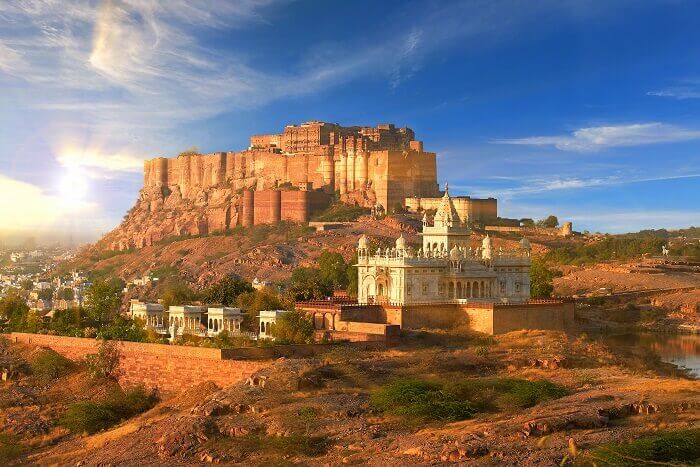
Jodhpur, unarguably the cultural city of India, was founded by Rao Jodha Ji on 12th May 1459. However, Jodhpur has a history that predates 1459, but I'll enlighten you about that part another time. Jodhpur itself holds many stories of heroics, bravery, loyalty, and mysticism. Once you've been there, you won't be able to forget the amazing hospitality you experience from the gestures of Jodhpurites. I'll surely write about all the aspects of Jodhpur gradually to present my native city to you along with my personal experiences. Today, let's talk about the events that led to the founding of this city, and so, I present to you one of the famous tales related to the foundation of this magnificent city. But before I proceed to the story, I feel I should provide a brief insight into Rao Jodha Ji’s life to make you familiar and comfortable.
Who Was Rao Jodha Ji?
Rao Jodha Ji (28th March 1415 – 6th April 1489) was the son of Rao Ranmal Ji, who secured the throne in 1427. He was the administrator and the assistant of Maharana Mokal Singh (King of Mewar and father of Rana Kumbha). When Maharana Mokal Singh was assassinated by his two brothers, Chaha and Mera, in 1433, Rao Ranmal Ji was also assassinated by Rana Kumbha. Rao Jodha escaped with his 700 men. Upon reaching his capital, he was left with just seven horsemen and fought valiantly against pursuers at Someshwar Pass. However, later he managed to collect whatever force he could, and in 1453, he captured his capital, Mandore.
Legend of Rao Jodha Ji and the Capturing of Mandore
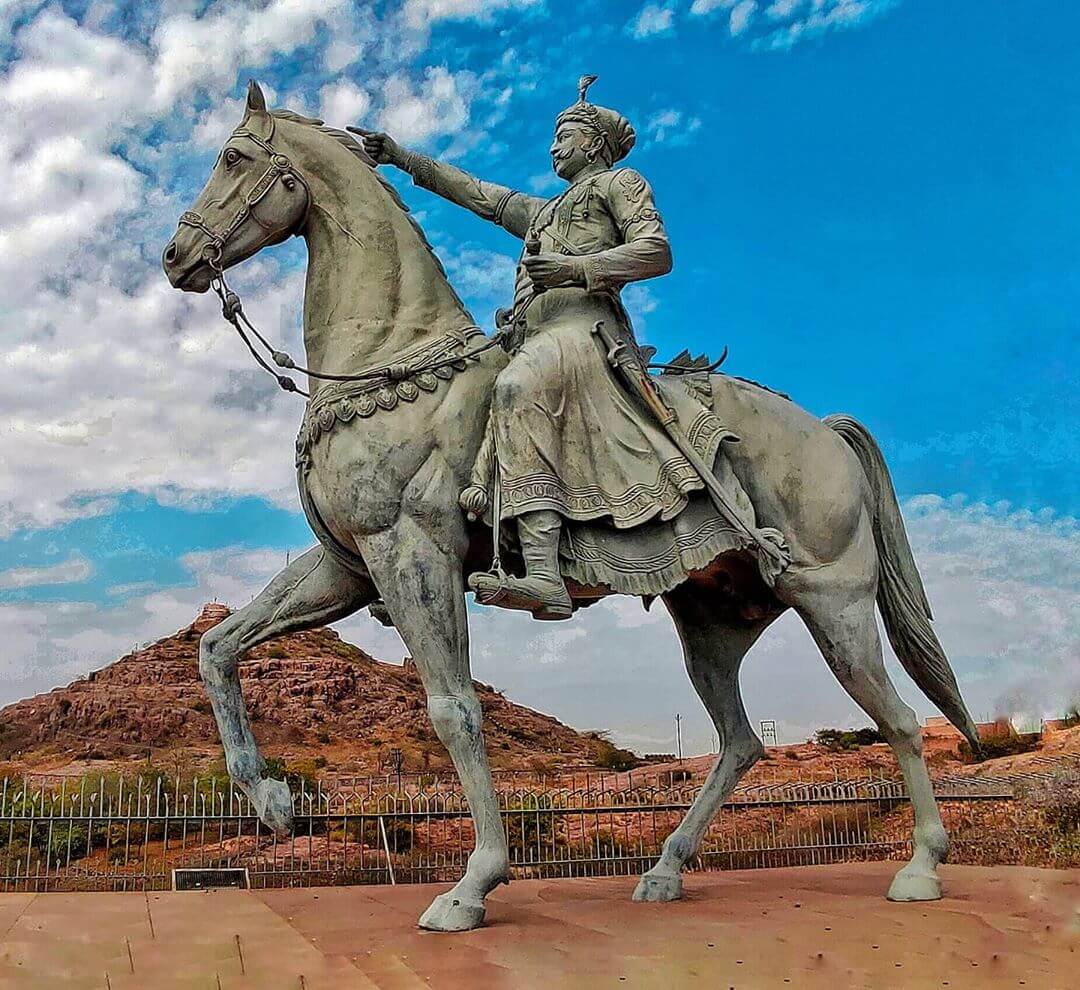
Once, late at night, Rao Jodha Ji, who had been relentlessly fighting and attempting to capture Mandore for 15 years, stopped at a farmer's house. He asked for some food as he had been starving for days. The farmer’s wife served him a hot bowl of Kheech. Hungrily, he put his fingers in the middle of the hot bowl and burnt his hands. Seeing this, the farmer's wife scolded him and compared his act to King Rao Jodha Ji’s mistake of attacking Mandore directly instead of capturing outlying small forts first. She was unaware that he was the King himself. This incident prompted him to reconsider his strategies and stop worrying about Mandore, shifting his focus to adjacent forts. He won the outlying forts with ease. By 1453, he conquered the kingdom’s capital Mandore and soon after, he conquered adjacent territories like Sojat, Merta, Koshana, and others. This enabled him to establish the Jodhpur State, which then came to be known as Marwar.
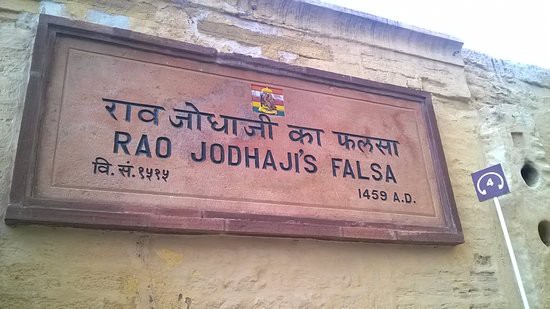
In 1459, he shifted his capital from Mandore to a more secure place at the hilltop of “Panchetia Hill.” However, he had wished to build it on “Masuria Hill,” but a shortage of water forced him to move it to “Panchetia Hill.” As I said, Jodhpur is full of stories, and there is another story behind the above-mentioned incident, but let's leave it for another time. Till then, let’s join our hands and celebrate the 562nd birthday of Jodhpur.
Footnotes
*“Kheech” or “Bajre ro Kheech” – a Marwari dish made from Pearl Millet’s flour