

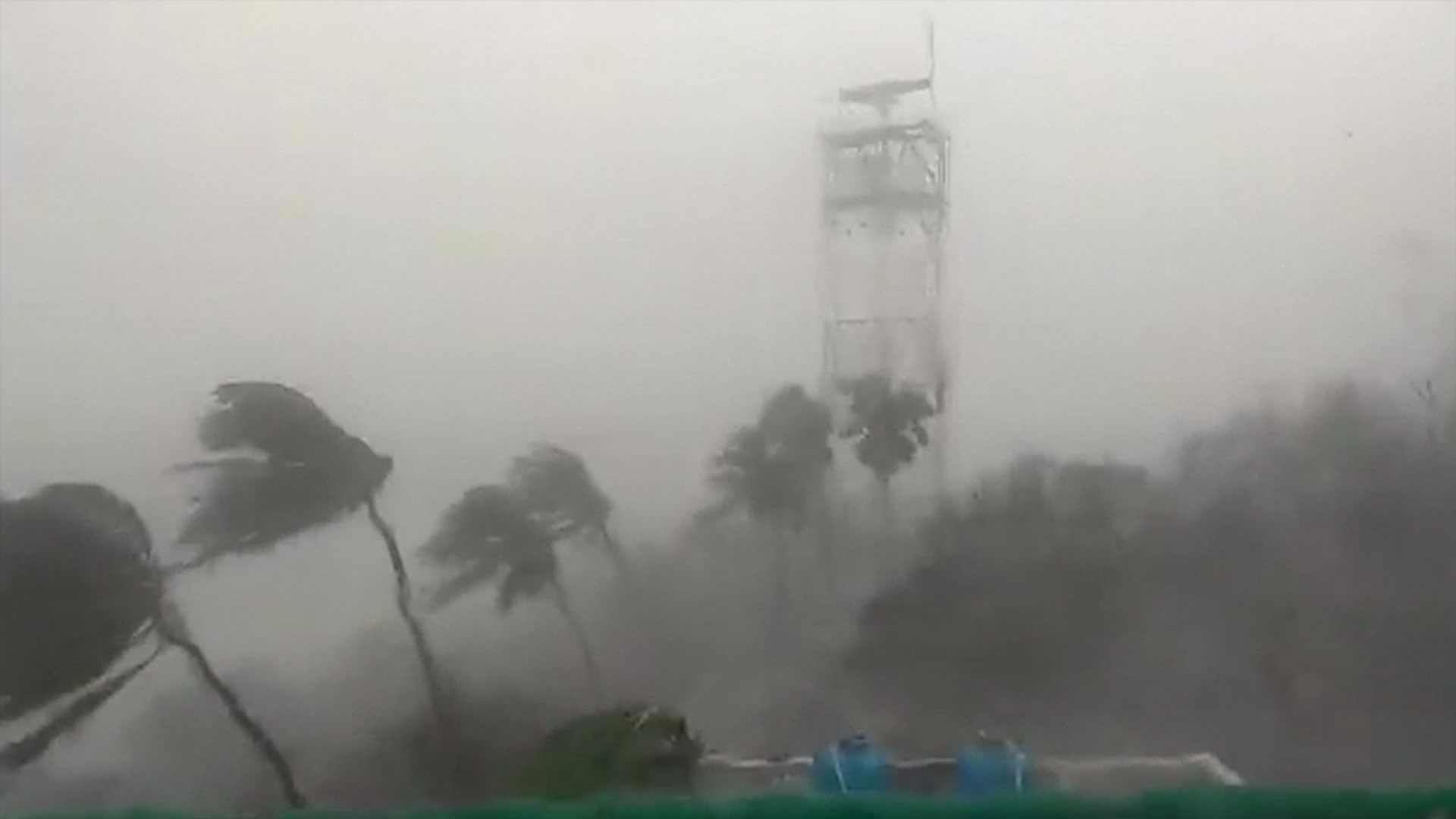
Cyclone is not a new topic for me. I have been discussing this fascinating subject through various mediums for the last 15 years. However, I started writing extensively about it in the last five years, mainly on my social media handles. As time passed, I aimed to reach a wider audience, and thus I discussed this phenomenon last year when Cyclone Amphan hit the West Bengal Coast. Prior to that, the DGM of the Indian Meteorological Department had an interactive session over Facebook (bear with me if you find lots of copy-paste material from this article).
The article mentioned above was specific to Cyclone Amphan and focused mainly on our discussion with Dr. Mrithyunjay Mohapatra. Though it included some basic information on cyclogenesis, I felt it was essential to write a separate article with general information about cyclones to raise awareness among the general public. The core idea behind this article is to educate people about cyclones and help them understand and cope with such phenomenal circumstances.
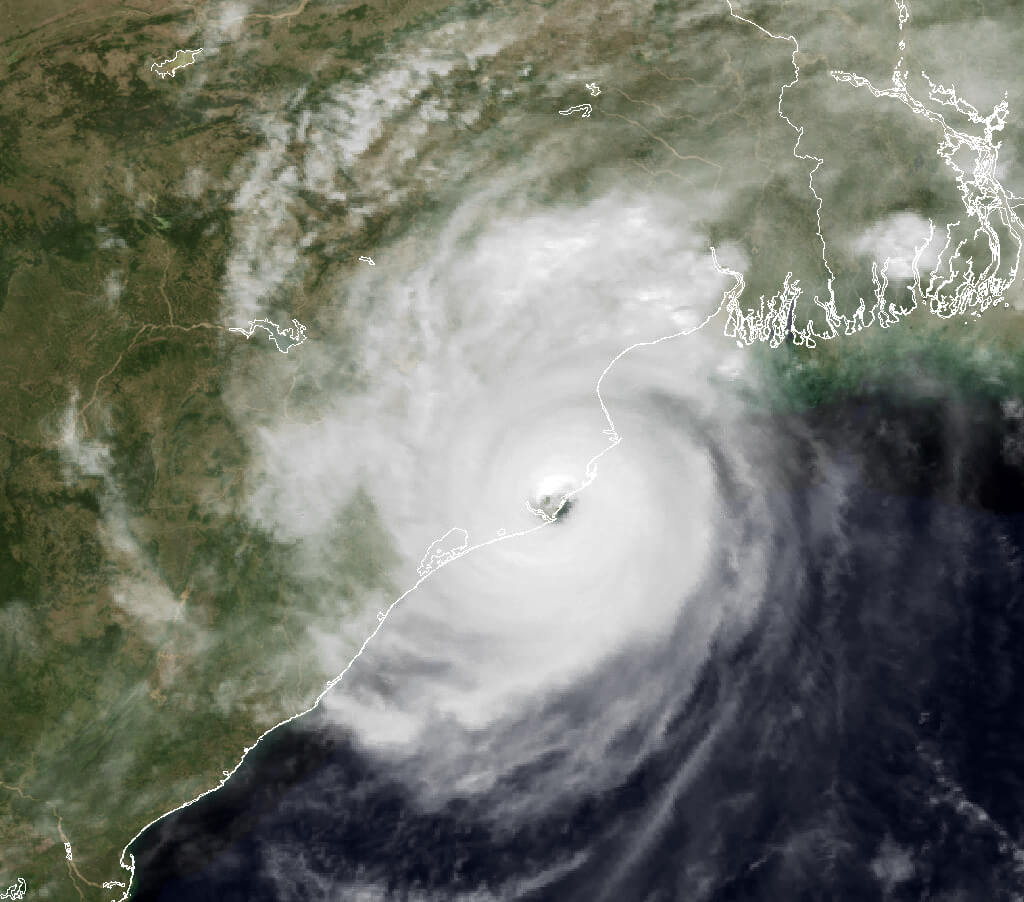
Why Do Cyclones Originate in the North Indian Ocean?
This question likely comes to mind when you read about cyclones affecting the Indian coast. The answer is simple. From April to October, the Northern Hemisphere heats up, leading to an increase in sea-surface temperature (SST). Although cyclones can form anytime and anywhere, this is the primary reason. Cyclones are low-pressure systems that form on either side of the equator between 10° and 20° latitude. They rarely form near the equator because the Coriolis force is zero at the equator and increases with latitude. The Coriolis force at 5° is ideal for the formation of tropical systems. The Coriolis force is the rotation of the Earth about its axis, affecting wind direction.
In addition to these factors, the Northern Indian Ocean provides slow winds, particularly in the Bay of Bengal. The slowness of winds allows clouds to organize around the low-pressure area, and other supporting factors help in their intensification. Hence, the location of India proves to be a hotbed for cyclogenesis.
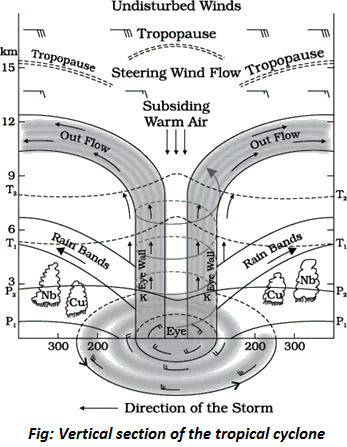
How Do Cyclones Originate?
Now that we understand why the Northern Indian Ocean is favorable for cyclogenesis, let's delve into how these cyclones originate. Six major factors contribute to cyclogenesis, divided into two categories: thermodynamical parameters and dynamic parameters.
Thermodynamical Parameters
- Sea Surface Temperature (SST) and Ocean Thermal Energy: If the sea surface temperature is more than 26°, conditions become favorable for cyclogenesis. The golden rule is "higher the SST, higher the possibility of forming stronger cyclones if they remain over warm water."
- Higher Relative Humidity (at least 60% RH) in the Tropospheric Level: This enhances deep convective activities (basically cyclones or any Low-Pressure Area [LPA]*).
- Instability in the Atmosphere: This helps moist air to rise quickly, leading to faster evaporation. During the rainy season (Monsoon), the atmosphere is quite stable, but it becomes highly unstable before and after the monsoon, which is why cyclones form during these periods and rarely during the monsoon season.
Dynamic Parameters
- Coriolis Force: This force is due to the Earth's rotation and causes wind deflection to the right in the Northern Hemisphere and to the left in the Southern Hemisphere. Cyclogenesis needs a minimum Coriolis force, typically found north of 5° latitude.
- High Rotating Power of the Atmosphere in the Lower Atmosphere: Cyclogenesis requires high rotating power in the lower troposphere, leading to the rotation of clouds.
- Lower Vertical Wind Shear: Lower wind speeds at upper levels are necessary to organize the clouds. The golden rule here is "lower the wind shear, stronger the storm."
Other factors like Madden-Julian Oscillation (MJO), Calvin Wave, and Rossby Waves also play a role in cyclogenesis, but they are more technical and may be too complex for a general audience.
Types of Cyclones
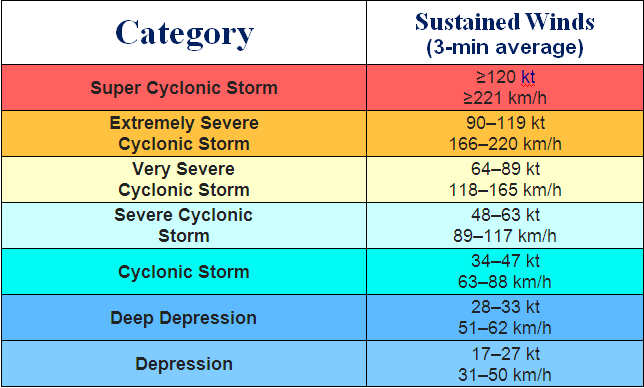
Now that we know the factors behind the formation of cyclones, we need a scale to differentiate them. The most widely known scale is the Saffir-Simpson Hurricane Wind Scale, primarily used in American continents. However, the Indian Meteorological Department (IMD) classifies storms into seven categories, as shown in the image below.
How Are Cyclones Named?
Naming cyclones is a global procedure to facilitate media reporting and easy identification. The technical terms are alphanumeric and not easy to communicate or remember. For instance, the name of Super Cyclone Amphan was Tropical Super Cyclone 01B.
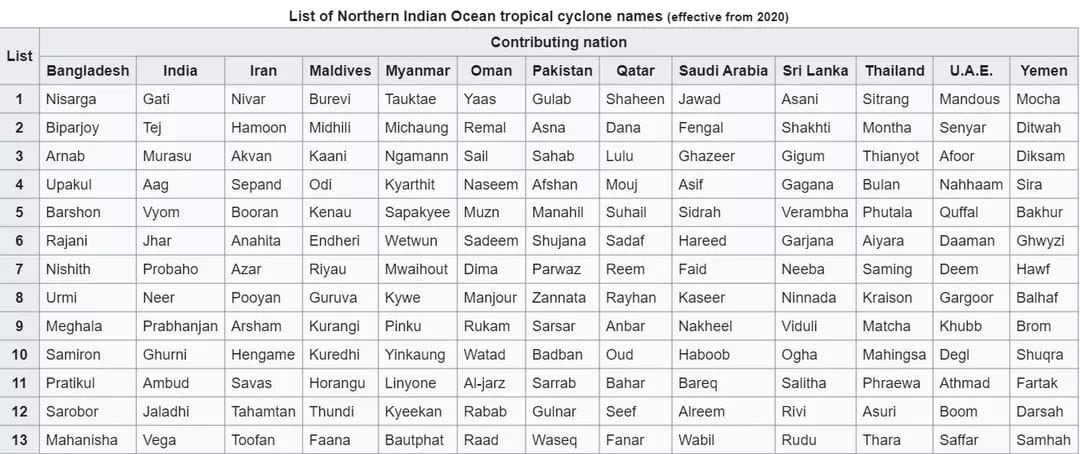
In the North Indian Ocean, including the Arabian Sea and the Bay of Bengal, cyclones are named by a group of adjoining countries using a pre-determined list. Here is the current list of cyclone names and the countries that suggested them.
Cyclone: A Multi-Hazard
This is perhaps the most important section, so I advise you to pay close attention. I plan to write a detailed article on this topic, but for now, let's keep it simple.
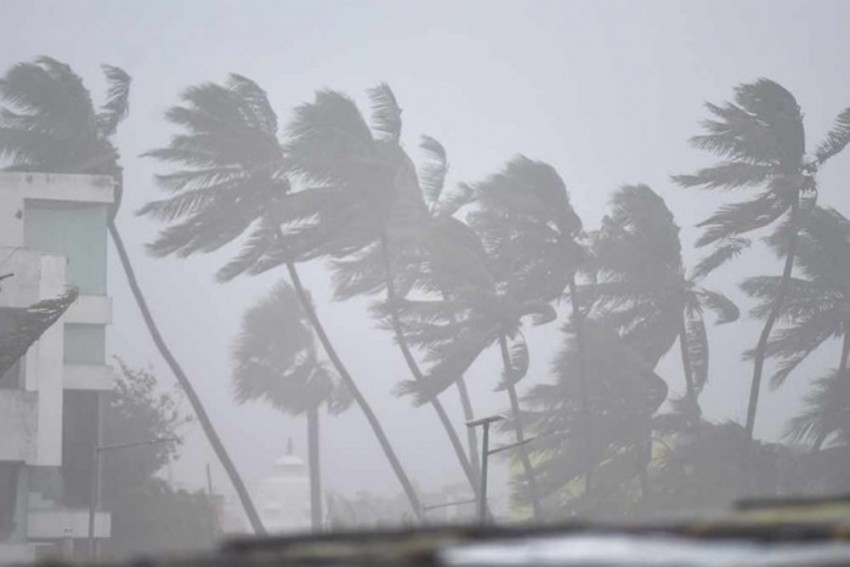
When a cyclone hits, it causes three-dimensional damage:
- Tidal Wave: Caused by the cyclone, tidal waves bring debris, make soil saline, cause inundation, and damage standing crops and structures, especially kutcha houses.
- Heavy Rainfall: Cyclones can trigger massive rainfall and cloudbursts, depending on their intensity. For example, Puri recorded 54 cm of rain in 24 hours when the Odisha Super Cyclone hit.
- Strong Winds: Strong winds from the sea intensify the adverse situation.
Effect on the Monsoon
This is a crucial question, especially when cyclones form during the pre-monsoon or onset phase. Generally, cyclones can either accelerate or halt the progress of the monsoon, depending on their timing, location, and trajectory.
If a cyclone follows the path of the monsoon current, it triggers an early onset and rapid movement of the monsoon flow. Conversely, if it moves against the monsoon current, it halts the monsoon flow. The intensity of the cyclone also plays a significant role. A powerful cyclone like Amphan can dry up all the moisture from the sea, weakening the monsoon current's surge. Post-cyclone, there is often a brief hiatus in the monsoon surge.
Aftermath
The aftermath of a cyclone is calculated after its dissipation. In meteorological terms, the wind pattern often changes, leading to either enhanced rains or heat, depending on the cyclone's direction and origin.
Conclusion
Given the situations they cause, cyclones make the sea conditions phenomenal and very rough. They are multi-hazard phenomena, making it crucial to take meteorological department advisories seriously, carry out evacuations, and cooperate with rescue teams. There's no need to panic if a cyclone makes landfall in your area; just follow the guidelines issued by the authorities.
I hope this article provides crucial information about cyclones and helps readers understand their impact. On a closing note, I urge readers to share this article to raise awareness and help spread the word for a better cause.