
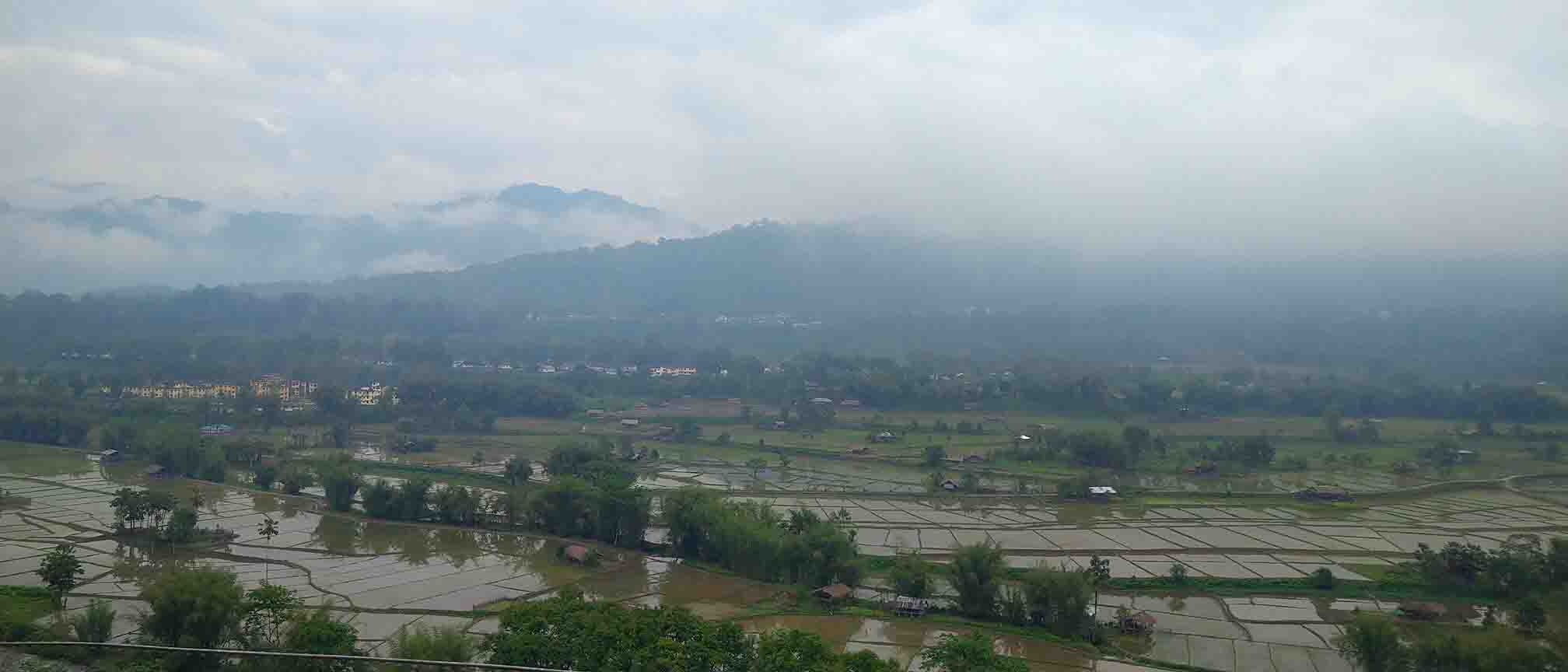
Arunachal Pradesh - a remote state in the far northeastern corner of India, nestled under the mighty Himalayas, is the land that welcomes the sun on Indian soil.
Despite being far from the center of the Indian mainland, with poor infrastructure and permit procedures, Arunachal Pradesh, home to 26 tribes and 110 sub-tribes nestled between dawn-lit mountains, offers perfect locations for photographers.
Even though it offers many attractions for tourists, Arunachal Pradesh is often ignored by both local and foreign tourists. There are numerous reasons for this, such as a lack of information about the state, an annoying permit procedure (especially for foreign tourists), and a lack of development programs.
However, this isolation allows for a peaceful experience with nature. If you ever wish to spend some moments with your soul, away from the honking, rush, and work overload of megacities, Arunachal Pradesh is the place you are looking for.
That said, there are downsides. You won’t find much information, or at least satisfactory information, which can lead to confusion. And that’s where this article comes into the picture!
This article will try to answer all the questions you have in your mind about perfect backpacking in Arunachal. If you wish to read more about what not to do in Arunachal Pradesh, there is a separate article for this purpose here: Things NOT to do in Arunachal Pradesh.
However, as a disclaimer before the show, this article doesn’t cover the entire state of Arunachal Pradesh. You will need to spend a lot of time to see everything, but it will surely guide you in setting up a “common tourist plan” for Arunachal.
Tourist Circuits of Arunachal
Every good plan has a source and a destination, so the first thing you need to determine is where in Arunachal you want to go. Since Arunachal requires permits, you need to specify the places you intend to visit. It is important to note that you are only allowed to visit the places specified in the permit.
The entire area of 83,743 sq km of Arunachal is divided into 12 tourist circuits. Each circuit offers different ethnic groups, topography, and vegetation, from evergreen sub-tropical forests to alpine regions. These tourist circuits are:
- Tezpur (Assam) – Bhalukpong – Bomdila – Tawang
- Itanagar – Ziro – Daporijo – Aalo (Along) – Pasighat
- Pasighat – Jengging – Yingkiong – Tuting
- Tinsukia – Tezu – Hayuliang
- Margherita – Miao – Namdhapa – Vijoynagar
- Roing – Mayudia – Anini
- Tezpur (Assam) – Seijosa – Bhalukpong
- Ziro – Palin – Nyapin – Sangram – Koloriang
- Doimukh – Sagalee – Pake Kessang – Seppa
- Aalo – Mechukha (Menchukha)
- Daporijo – Taliha – Siyum – Nacho
- Jairampur – Manmao – Nampong – Pangsau Pass
You can find more information about these routes on Arunachal Pradesh’s official tourism website, which provides sufficient information to kick-start your plan.
Our 15-Day Route for Backpacking in Arunachal Pradesh
Here is the route we followed during our 15-day trip to Arunachal Pradesh. We used only public transport to move from one place to another. However, we had a few friends in cities like Aalo, Pasighat, and Itanagar who helped us with their vehicles. A big thank you to all my friends there! We began our journey from Dibrugarh and ended up in Guwahati. Here is our route map.
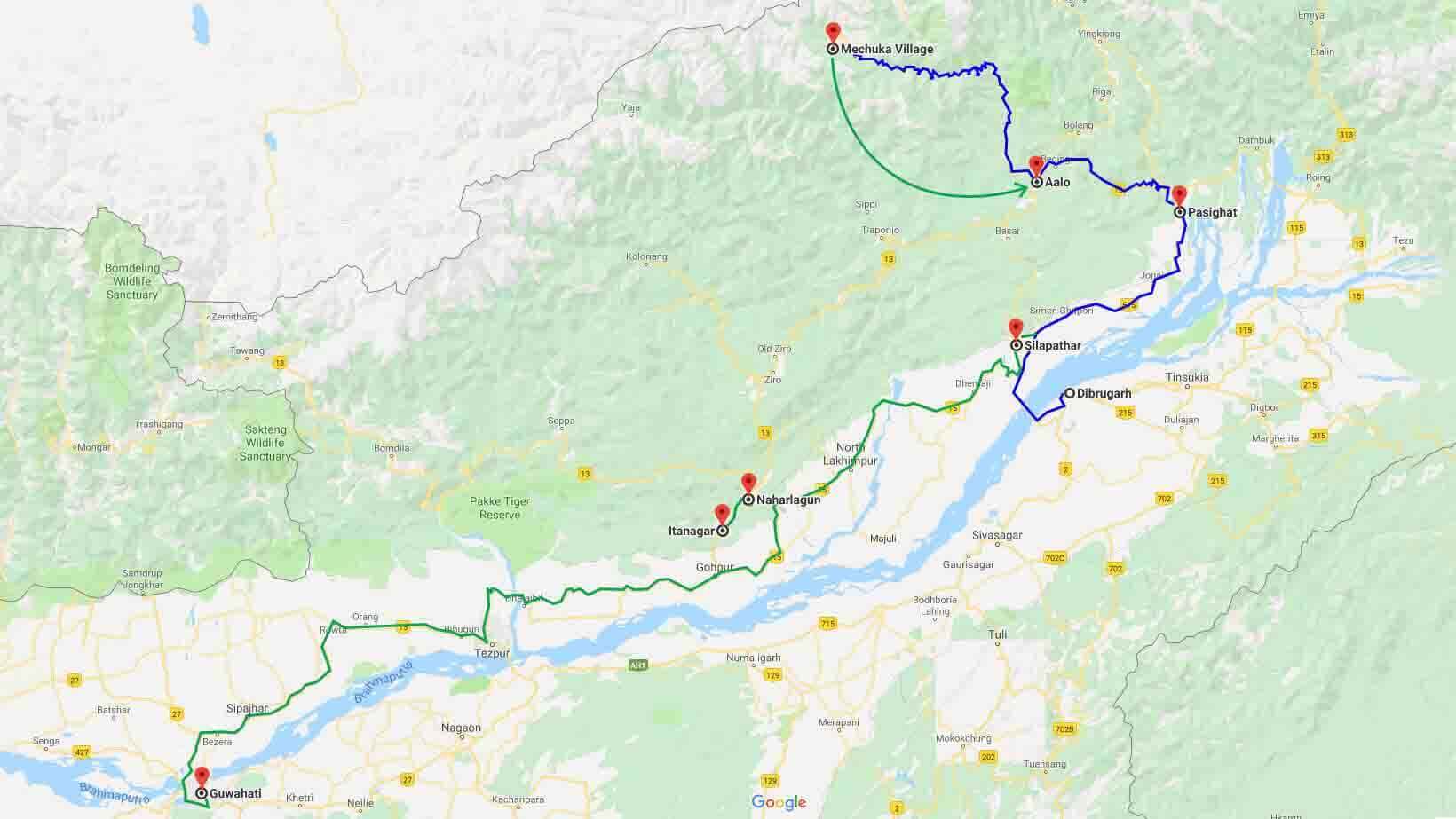
Fun Fact: This isn’t the actual plan. It is a modified version due to our inexperience with Arunachal. In our actual plan, we included Yingkiong, but we were short on time, so we kept Yingkiong for the next trip.
When to Go?
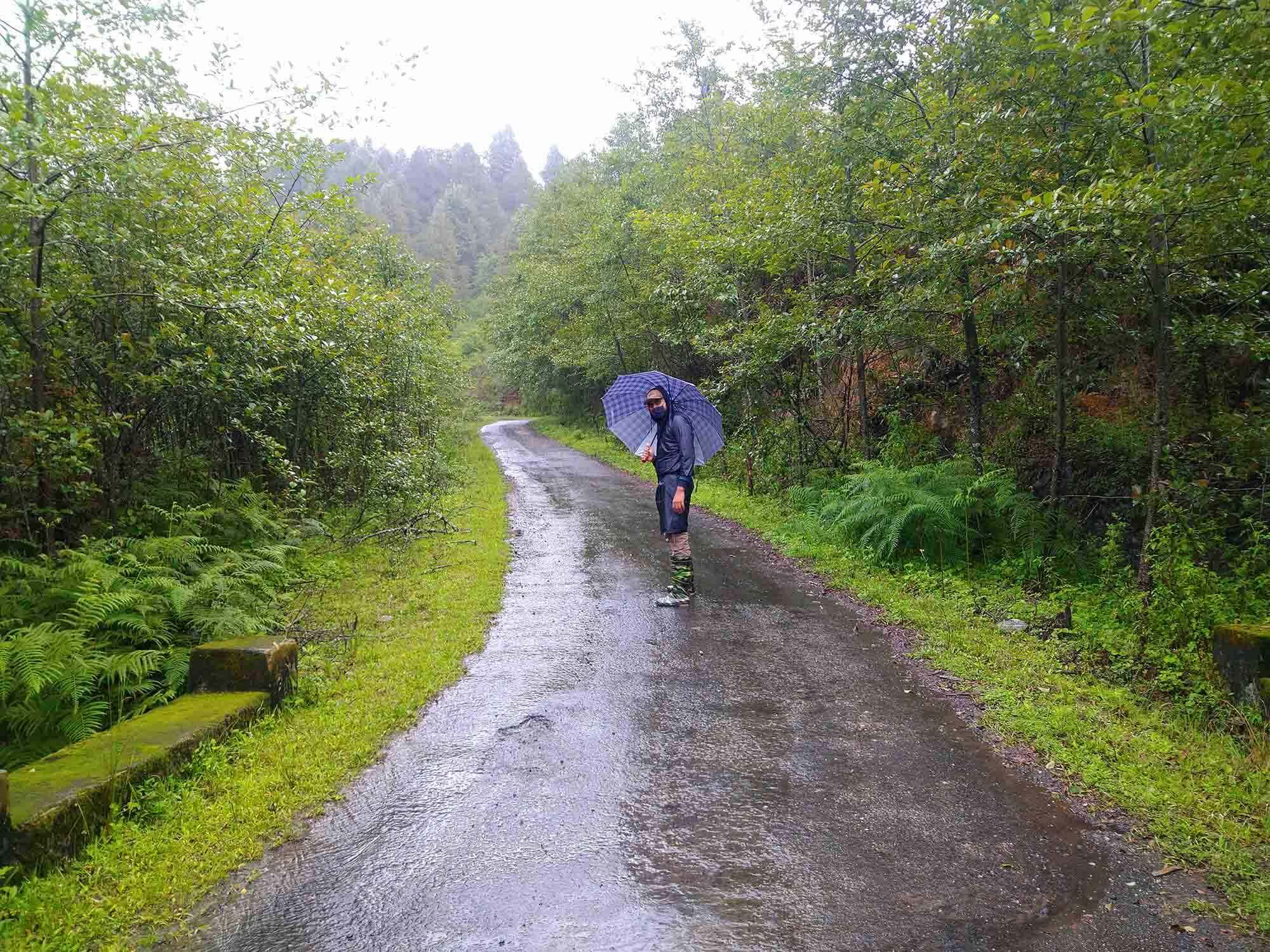
The ideal time to visit Arunachal Pradesh is in March and April or October and November. If you’re looking for snow, November to March-April is the best time to visit. You’ll find snow in upper reaches like Tawang, Menchukha, and Anini. If you love rain, May can be a good time; we went in May and experienced heavy rains.
Monsoon begins in the first week of June and runs up to September. Even if you love rain, we recommend not visiting during the monsoon, as the entire North East is prone to heavy rainfall, floods, and landslides.
Permits for Travel in Arunachal Pradesh
Before applying for permits, one should figure out where they need to travel in Arunachal. There are two kinds of permits for tourists:
Protected Area Permit (PAP): PAP is required for foreign travelers. It is valid for up to 10 days, with an extension of 7 days. It costs $30, which is equivalent to Rs. 2140 (at the time of writing this article). Tourists from Pakistan, Bangladesh, China, and Burma (Myanmar) need approval from the Ministry of Home Affairs.
You can request PAP here.
Inner Line Permit (ILP): ILP is required for Indian citizens. There are two ways to obtain an ILP: online or through the nearest office. It costs Rs. 100 and Rs. 400 if you wish to obtain it on the same day. To apply online click here.
Point to remember: Once you get the permit, make several copies as you will need to show it at various checkpoints and in hotels for check-ins.
Destinations We Covered
This article follows the destinations we traveled to during our 15-day tour. Recommendations are based on our experience and suggestions from local friends.
Pasighat
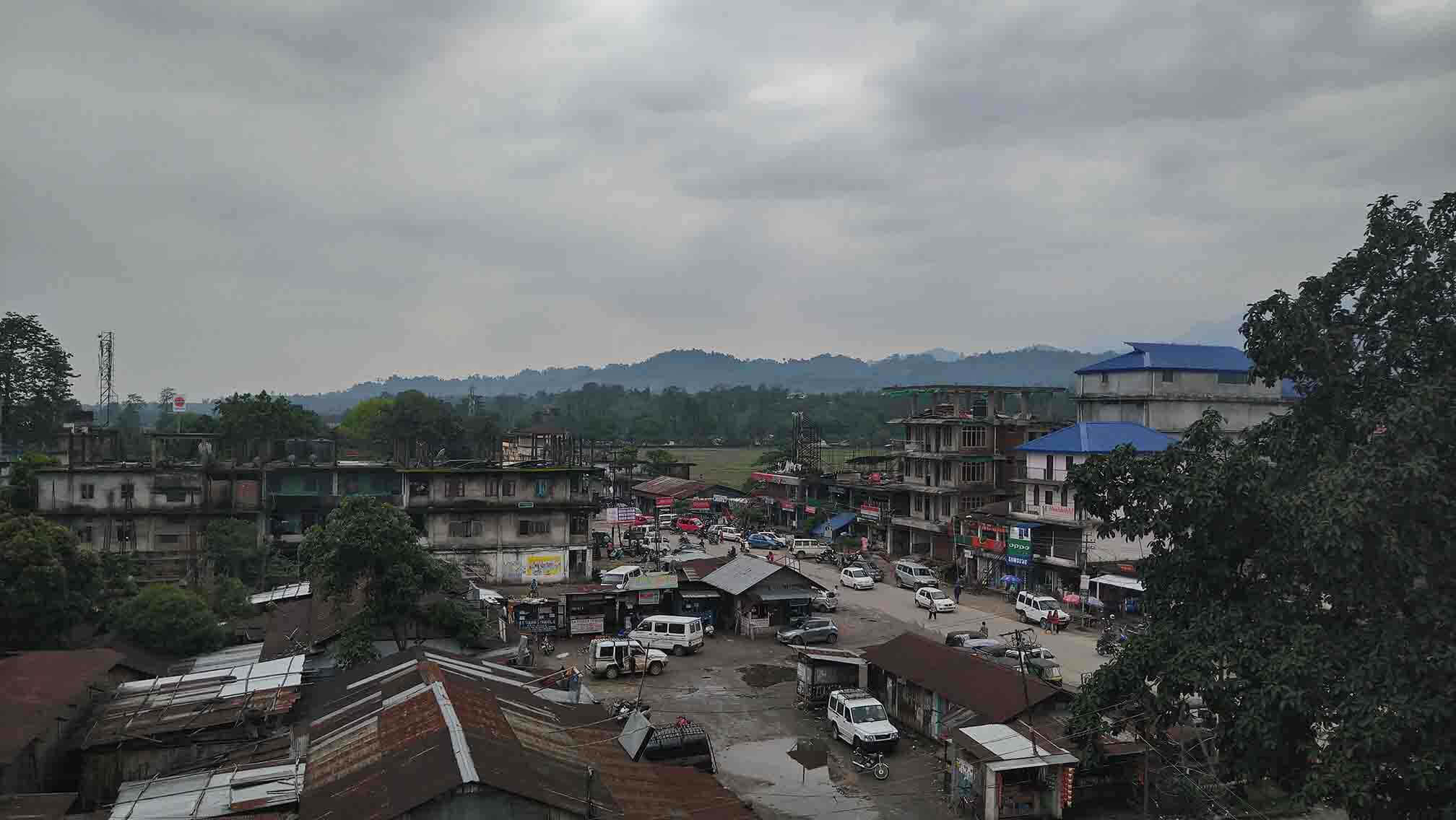
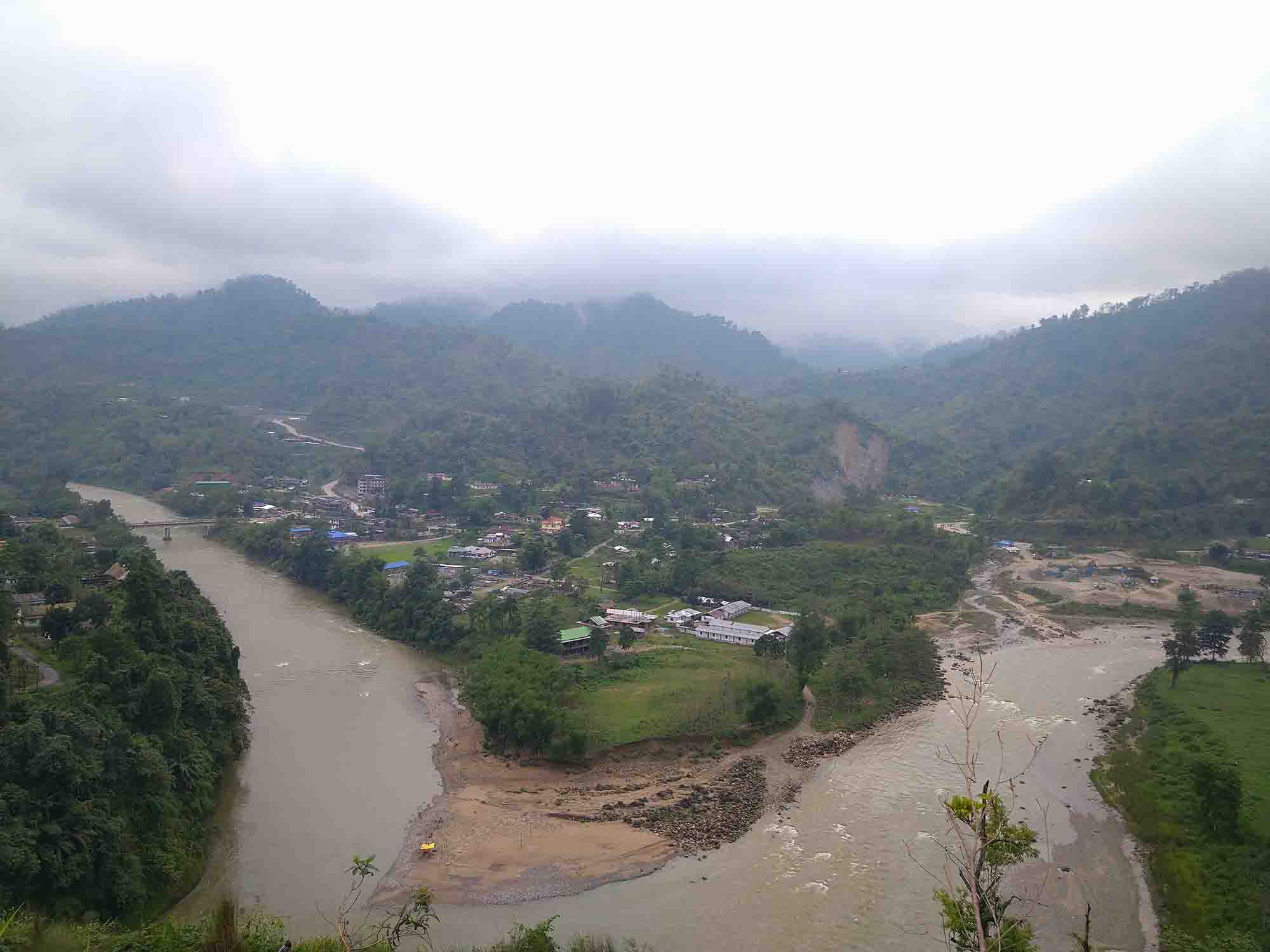
Pasighat, the oldest town settlement in Arunachal Pradesh, is a small town that serves as the headquarters of the East Siang District. Pasighat acts as a gateway to Eastern Arunachal, with routes leading to Along, Yingkiong, and Roing. The entire town is surrounded by mountains, with the Siang River flowing as your companion.
How to Get to Pasighat
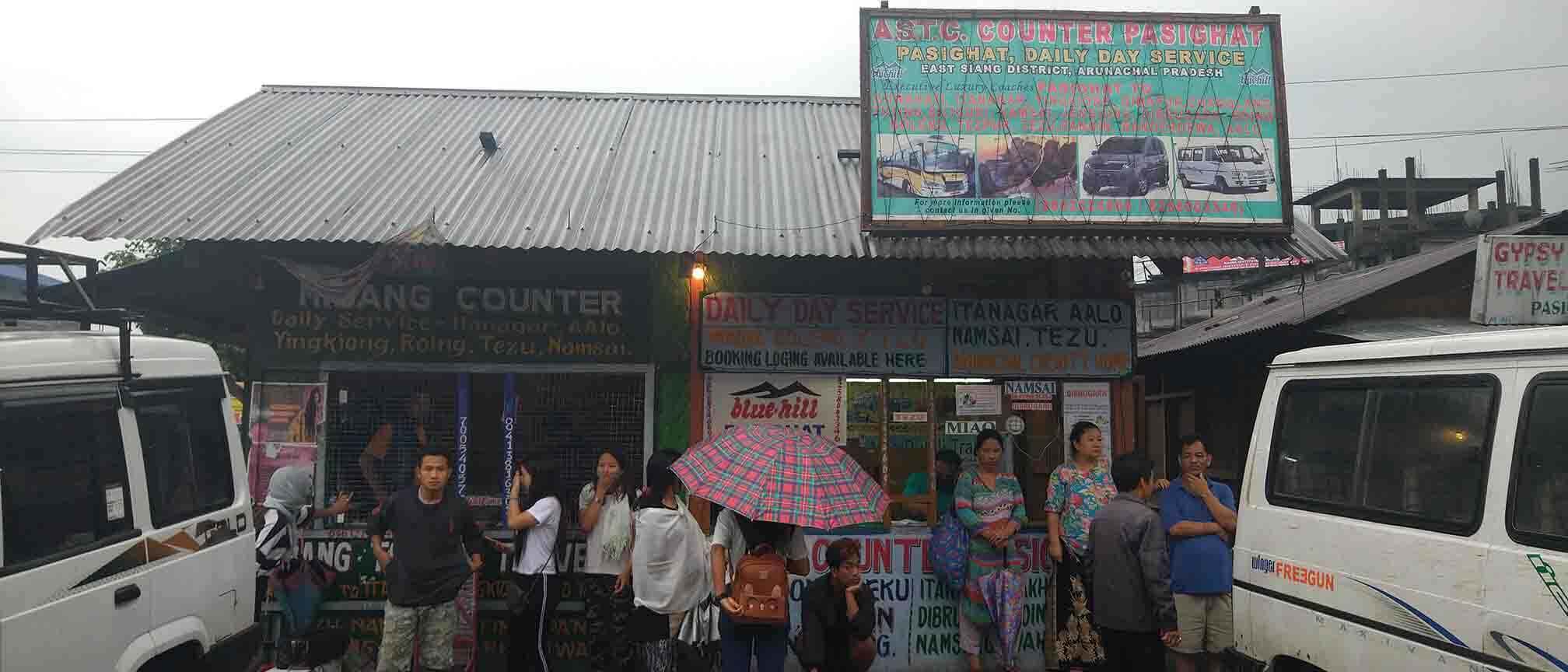
- 3 hours journey from Dibrugarh via Bogibeel Bridge – Sumo leaves around 5 AM and minibuses are available from 6 AM onwards – Rs. 350.
- 3-4 hours journey from Along - Daily Sumos at 5 AM from Sumo stand – Rs. 350.
Where to Stay in Pasighat
There are several hotels of various price ranges.
- Hotel Siang: Perhaps one of the oldest functioning hotels in Pasighat, providing an economical stay at Rs. 600 for a double bed with a private toilet. It also provides a single room with a shared toilet at Rs. 450.
- Hotel Serene: The only three-star hotel in Pasighat near the bus stand. If you prefer a lavish and comfortable stay with food, the price of accommodation ranges from Rs. 1700 to Rs. 5000.
- Hotel Aane: The price of accommodation varies from Rs. 800 for a single room and Rs. 1100 and Rs. 1500 for a double bedroom.
Places to Visit
- Raneghat Bridge: The only thing you will remember about Pasighat is Raneghat Bridge, situated about 7 km outside of town in the Raneghat area. The bridge offers a sublime view of the mighty Siang and the surrounding blue mountains. Raneghat lies at the junction where the road to Along and crossing the Raneghat leads to Yingkiong and Roing.
Daying Ering Wildlife Sanctuary: This sanctuary is about 25 km outside the town. We didn’t visit this place because Pasighat served as a stopover town for us.
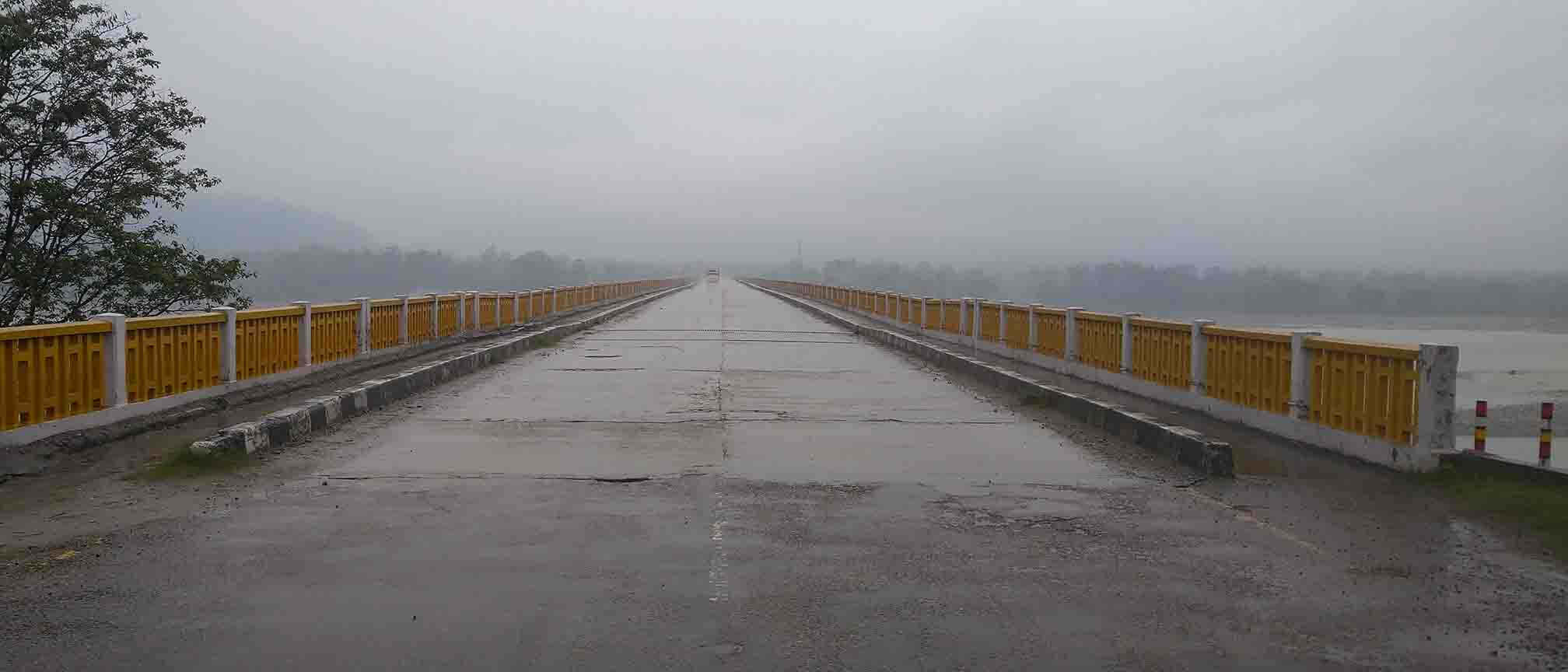
Raneghat Bridge, perhaps you will start loving Pasighat when you reach there!
Where to Eat in Pasighat?
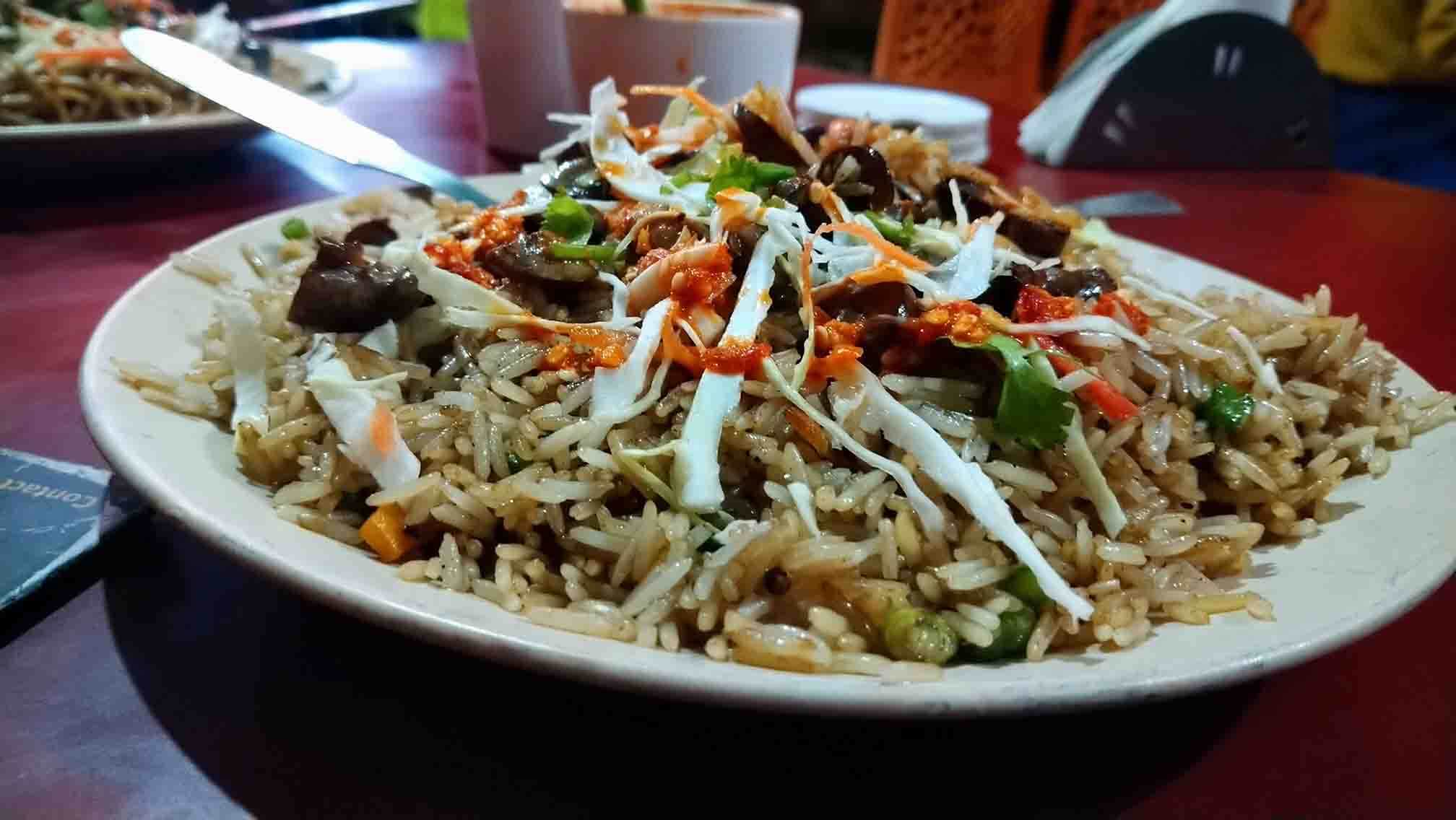
There are several restaurants in Pasighat in the market area. Many are on the upper floors of the buildings. An important thing to remember is that the market closes by 7:30 PM, so you need to adjust accordingly.
Along (Aalo)
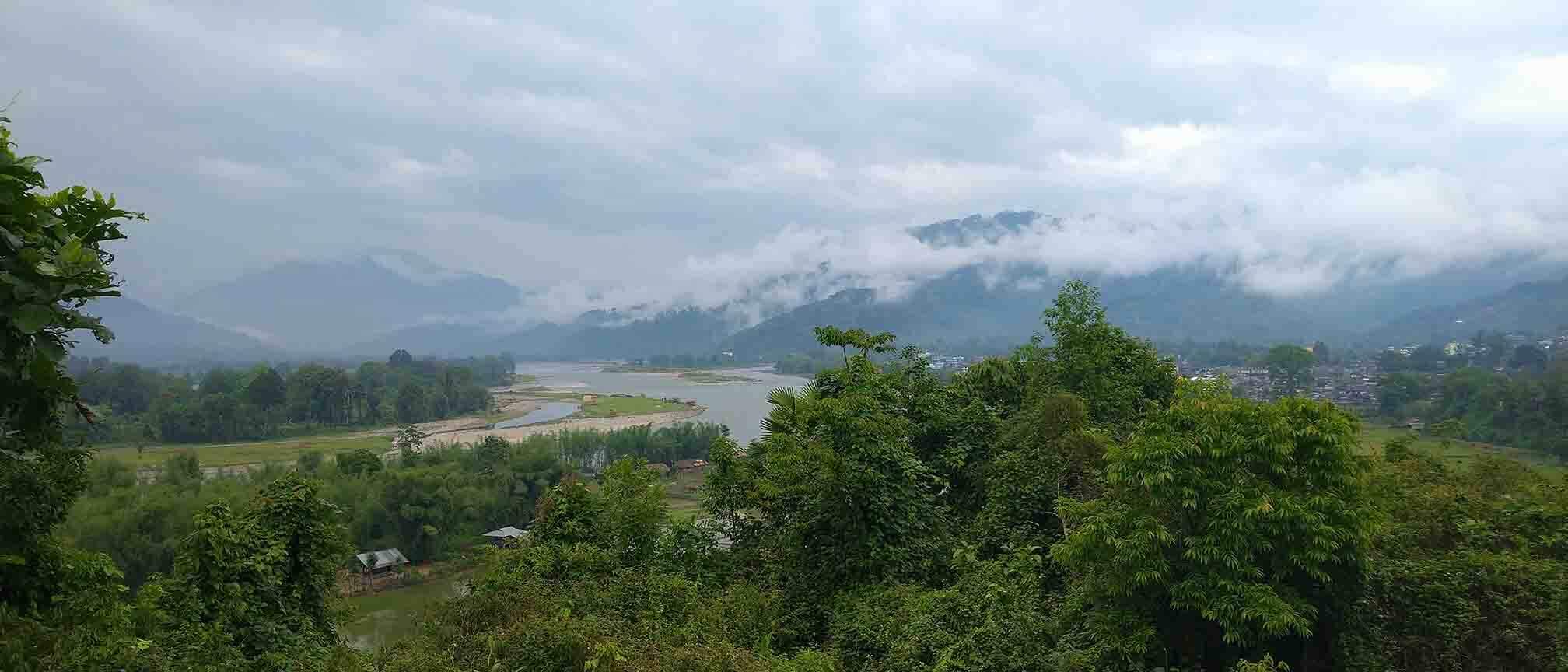
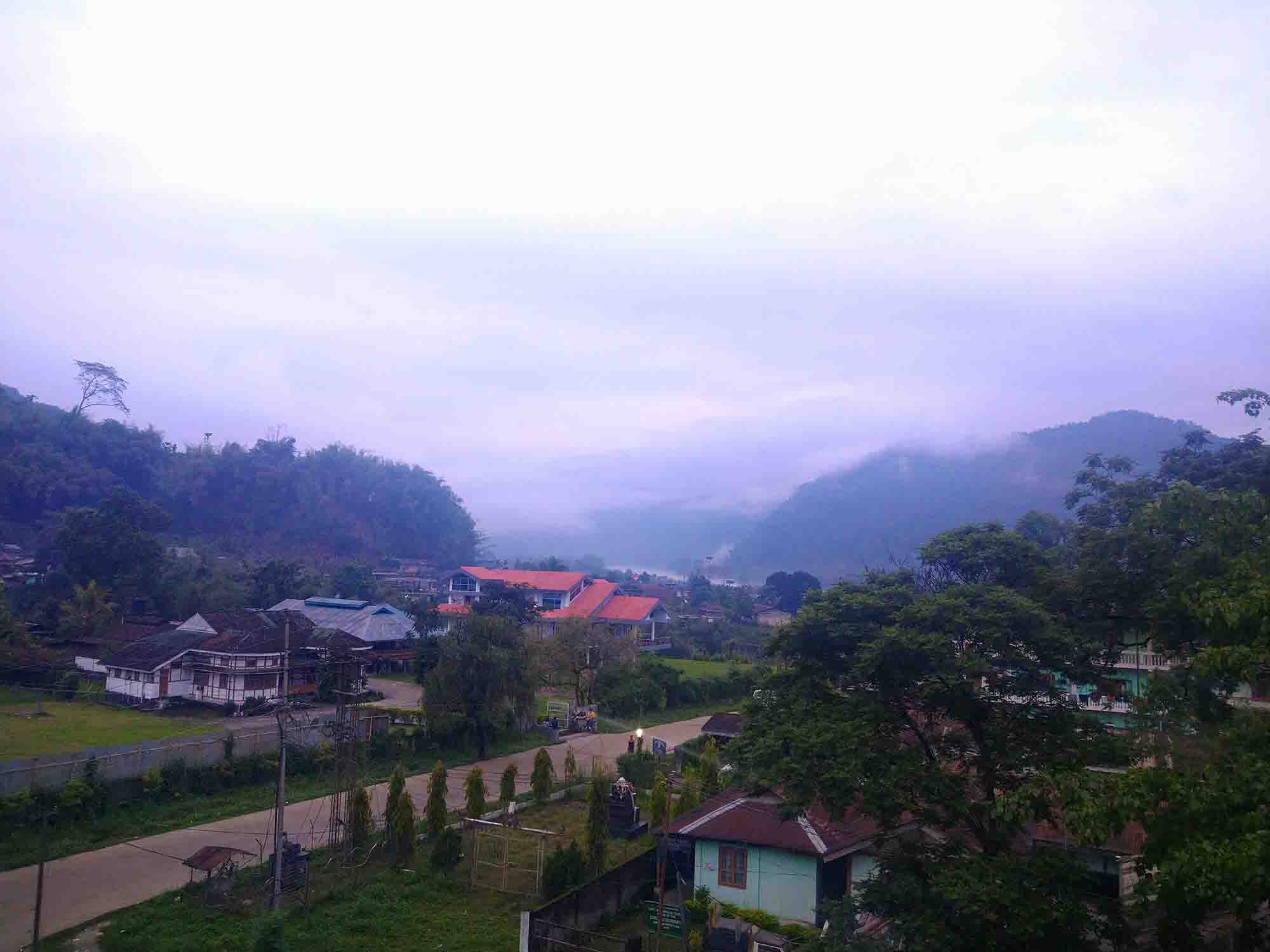
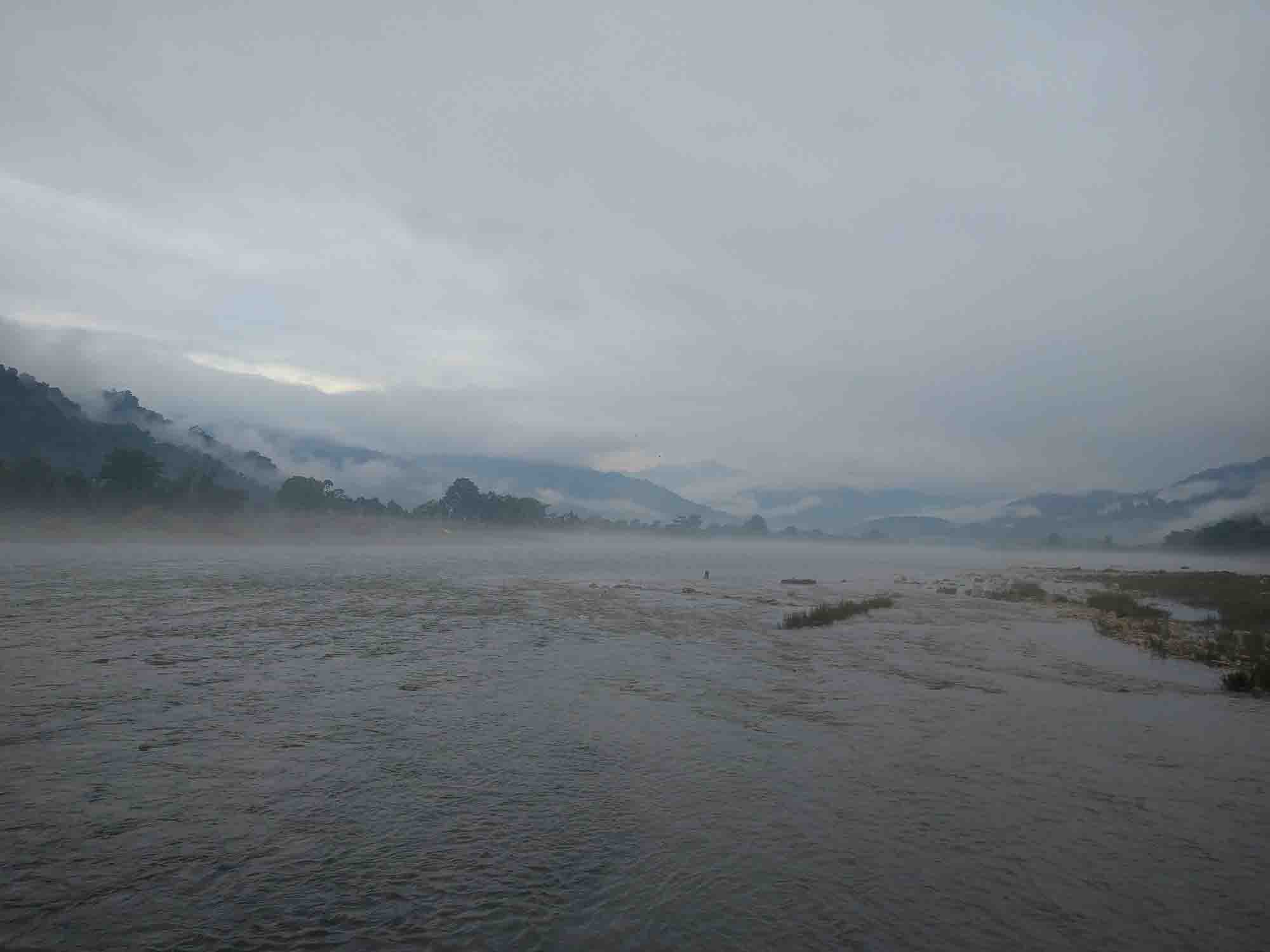
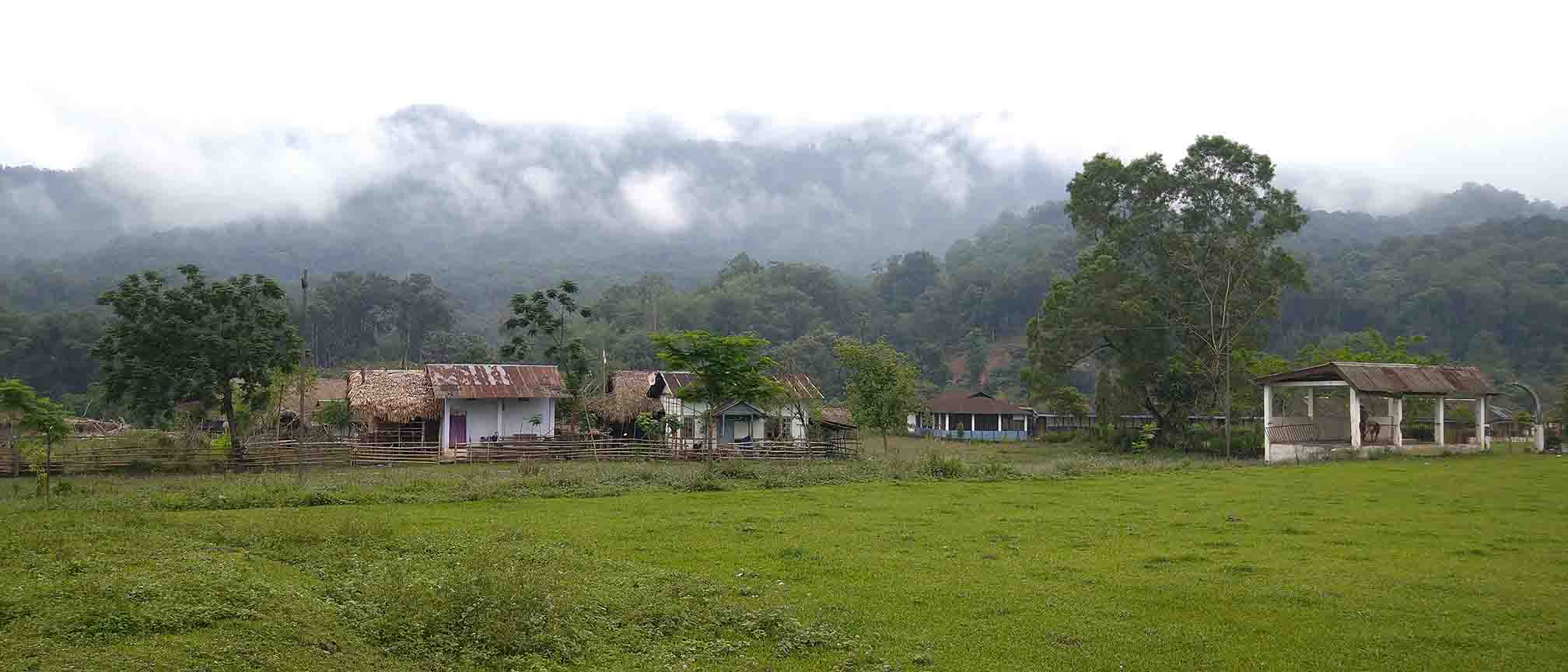
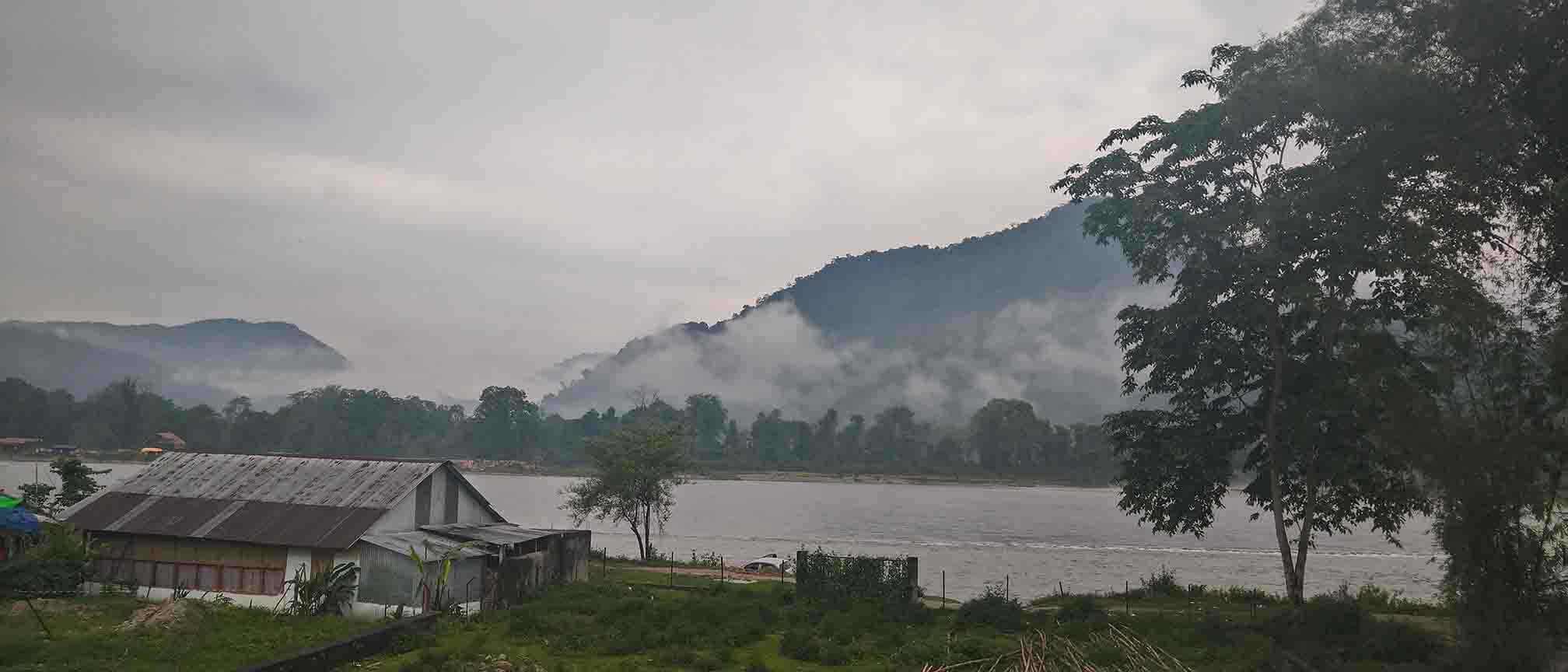
Whenever I think about Along, a peaceful and serene scenery appears in my mind—a calm town surrounded by hills with the Yomgo River gurgling across, splitting the town into two halves. Along doesn’t have spectacular features but serves as a must-stop on the route to Menchukha. The riverside scenery will never disappoint you and offers breathtaking views in the early morning and evenings. Along is a cluster of several villages because the Galo community always lives in clusters. There are several villages along with rice paddies (Paata in Galo) which one should visit while in Along such as Darka and Kamba. The life in Along will surely help you forget all your stress.
How to Get to Along
- 3-4 hours journey from Pasighat – Sumo leaves around 5 AM– Rs. 400.
- 8 hours journey from Menchukha- Daily Sumos at 5 AM from Sumo stand – Rs. 500.
Note: There are two more routes to reach Along: one via Silapathar and Basar, and one via Daporijo. At the time of writing this article, these routes are mainly closed due to ongoing road cutting work. The route from Silapathar connects Dibrugarh with Along, while the route via Daporijo connects Itanagar with Along. Due to the ongoing work, if anyone wishes to go to Itanagar, they need to check the Along-Pasighat route via Lakhimpur.
Where to Stay in Along?
There are several hotels of various price ranges.
- Hotel Toshi: Rs. 600 for a double bed with a private toilet. It also has a restaurant for meals in Sipu Colony across from the bus stand.
- Hotel Aalo: Rs. 800 for a double bed with a private toilet across from the bus stand.
Places to Visit
Cozy Resort: This resort is located at the confluence of Sipu River and Yomgo River, providing a breathtaking view of nature, especially in the early morning and evening hours. During the vacation time (April to June), this place is a favorite spot for partying among locals.
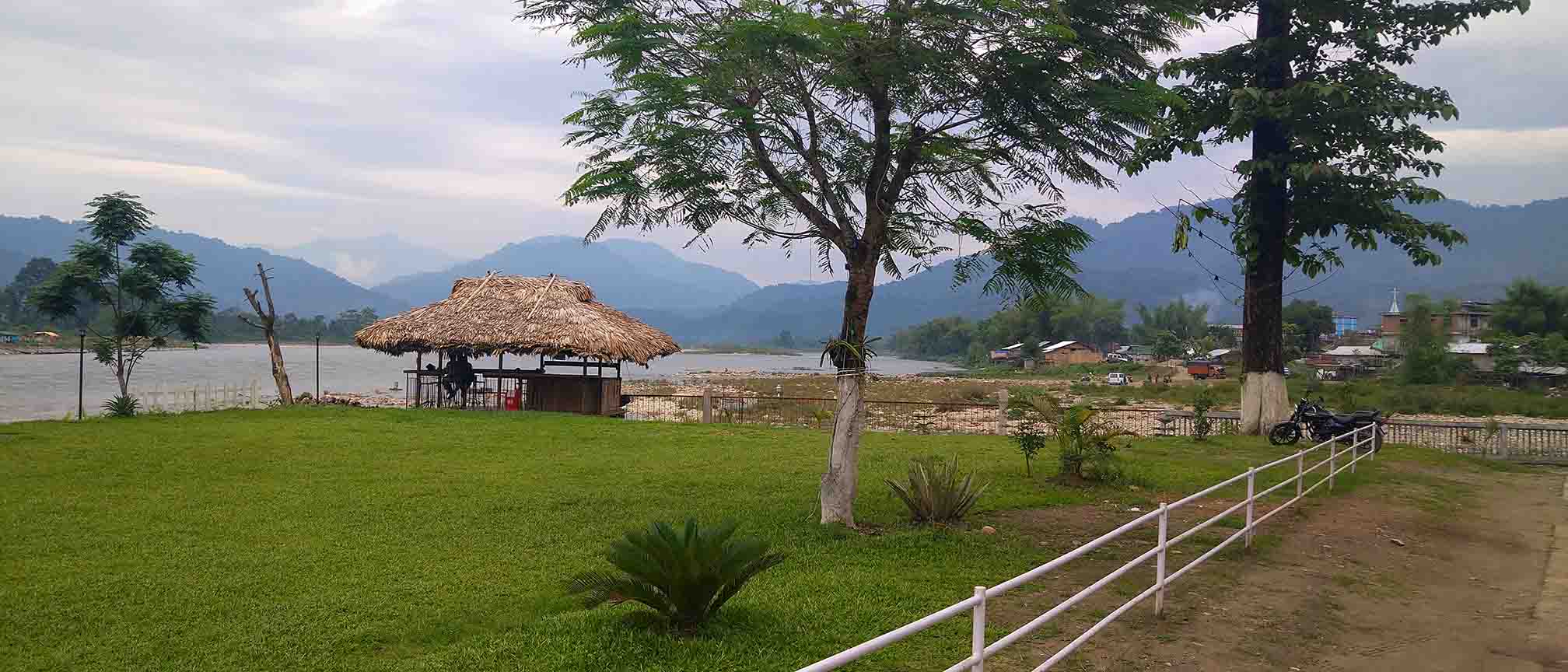
Cozy Resort: Doesn't seem poetic to you? - Darka Village: This village, situated about 7 km from the main town, is the largest village in West Siang district. Darka is famous for the agricultural festival of Mopin. The village is nurtured by Sipu, Hiri, and Hisum Rivers, which flow through the village, bestowing a mesmerizing view. The preferred time to visit is April during the Mopin festival, celebrated on 5th and 6th April.
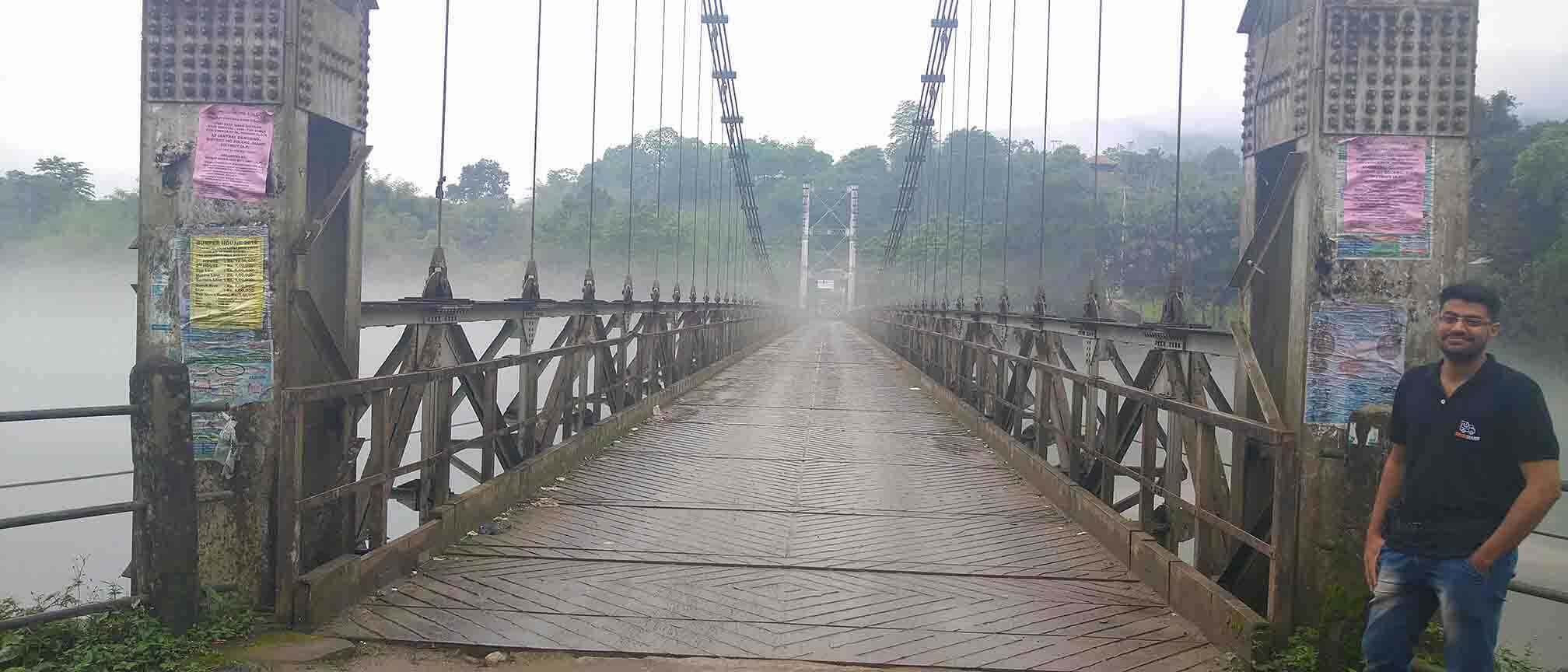
- Patum Bridge: One of the major tourist attractions in Along. This is the first cable bridge constructed around 1997, offering an alluring view of the mountains. The bridge is 7 km away from Along and connects Patum from Pessing. One can see this bridge as coming from Pasighat as they enter Pessing.
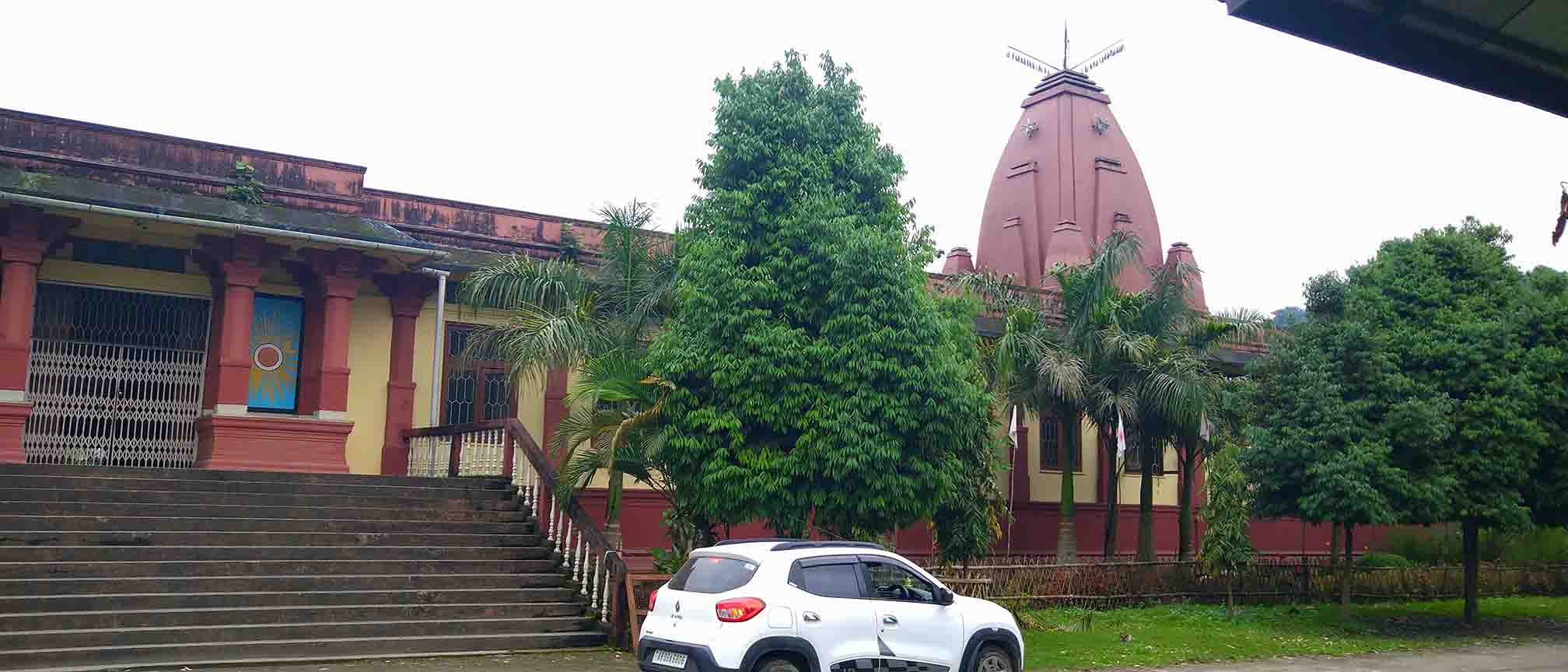
- Donyi Polo Temple: If you are interested in knowing more about the Galo tribe, you should visit this temple. It is within walking distance from the bus stand. To understand the rituals and customs of the Galo, visit on Sunday prayers or during the Mopin festival.
No Tension Point: A point en route to Darka from Along, locally known as “no tension point.” This place offers a surreal view of Along town, where you can see the entire town. There are many villages around Along, such as Kamba, Kabu, and Maasi (Masw), where nature has enough to mesmerize you. There are hanging bridges in almost every village in Along, which one should try to cross.
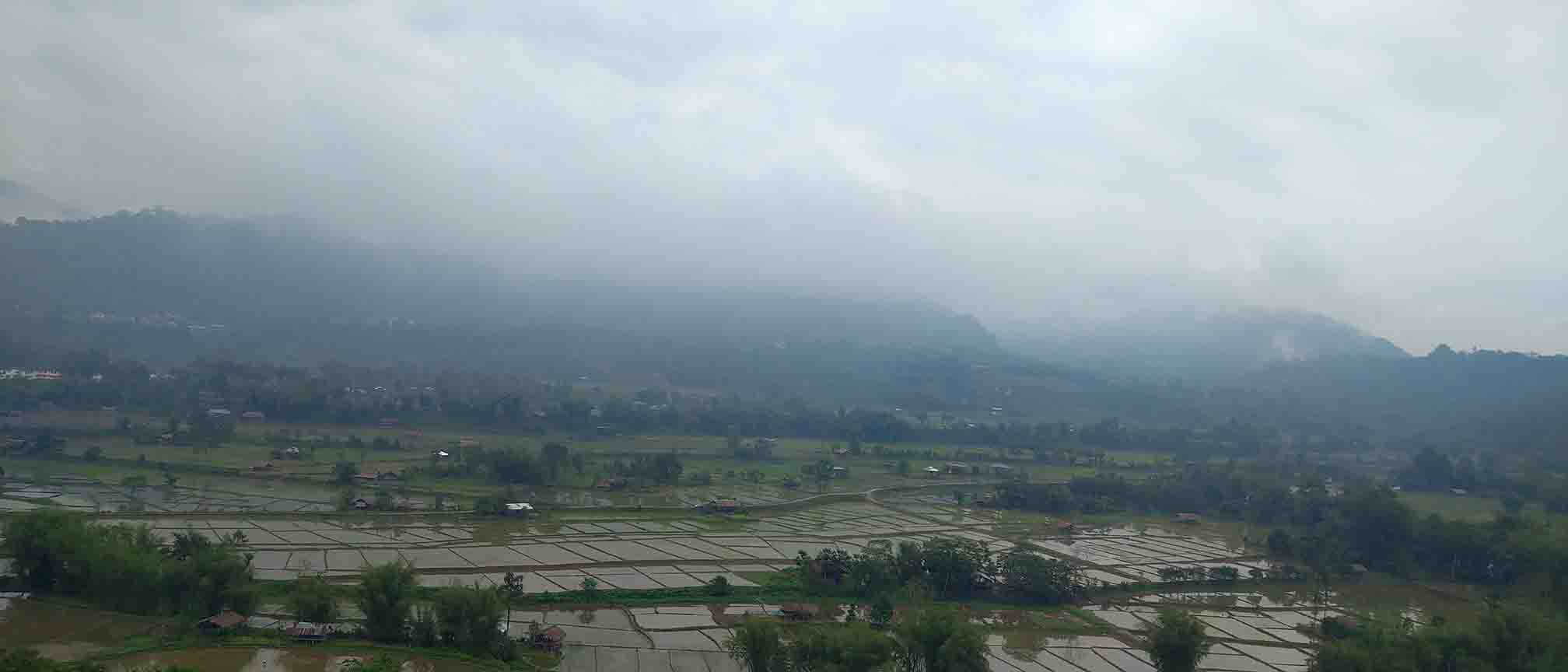
Along town from No Tension Point
Where to Eat in Along?
There are several restaurants in Along in the market area. The rooftop restaurant in Hotel Toshi is one of the best. Other popular places include CT Restaurant, Chakraborty Hotel, and Hungry Hut.
Tribes in Along
Galo
Mechukha (Menchukha)
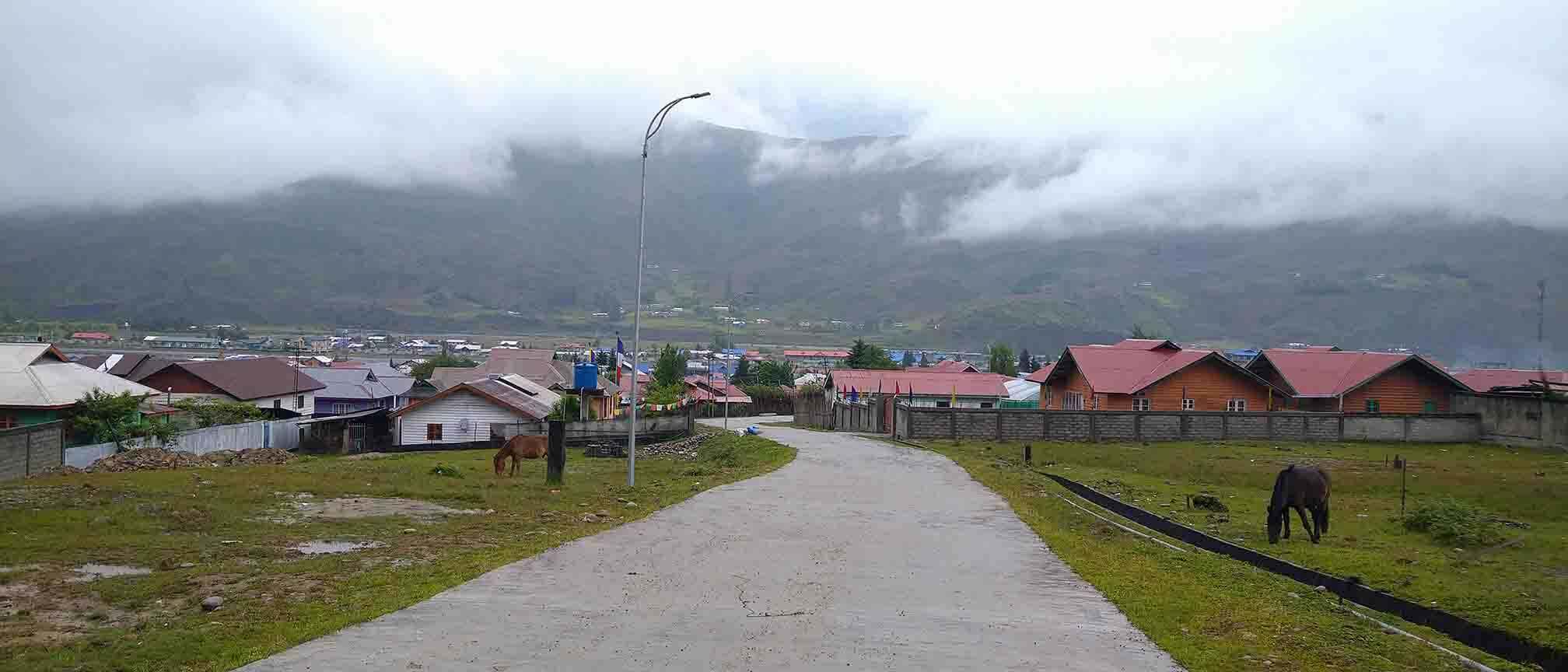
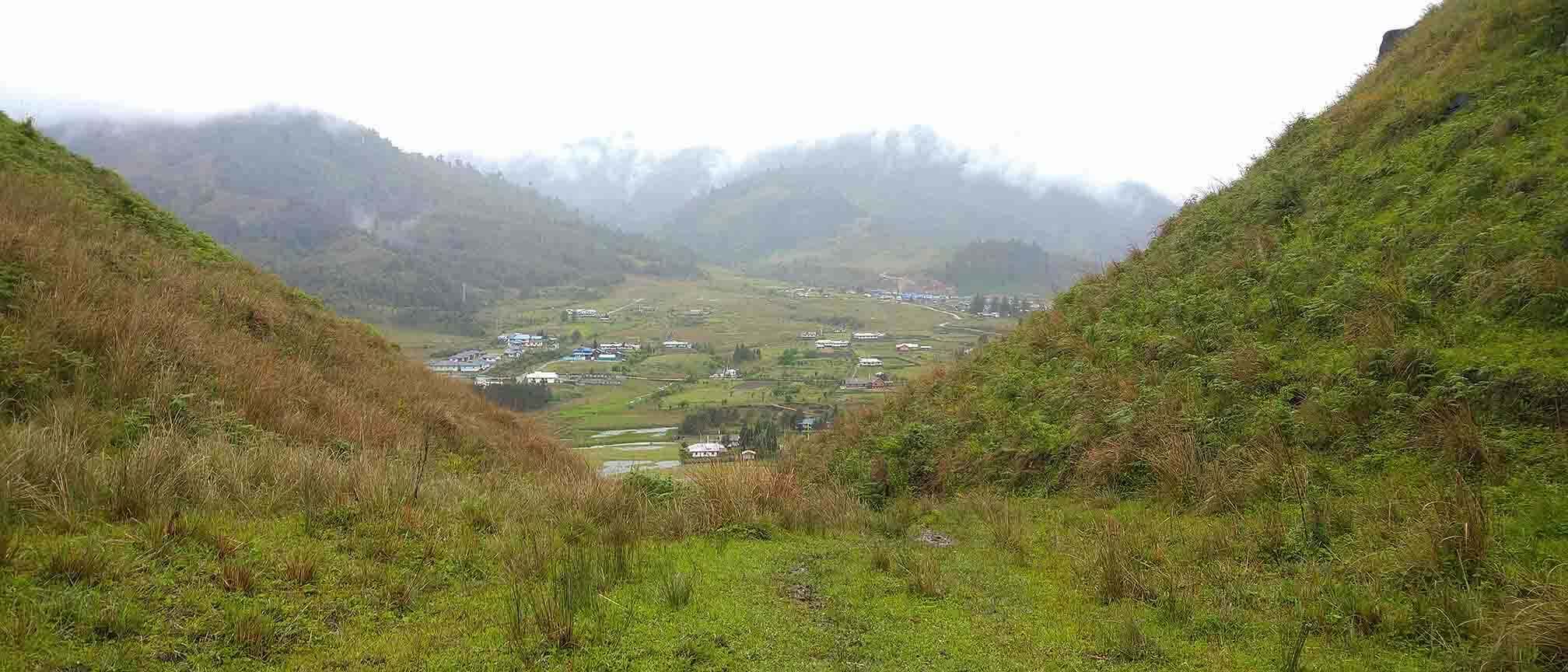
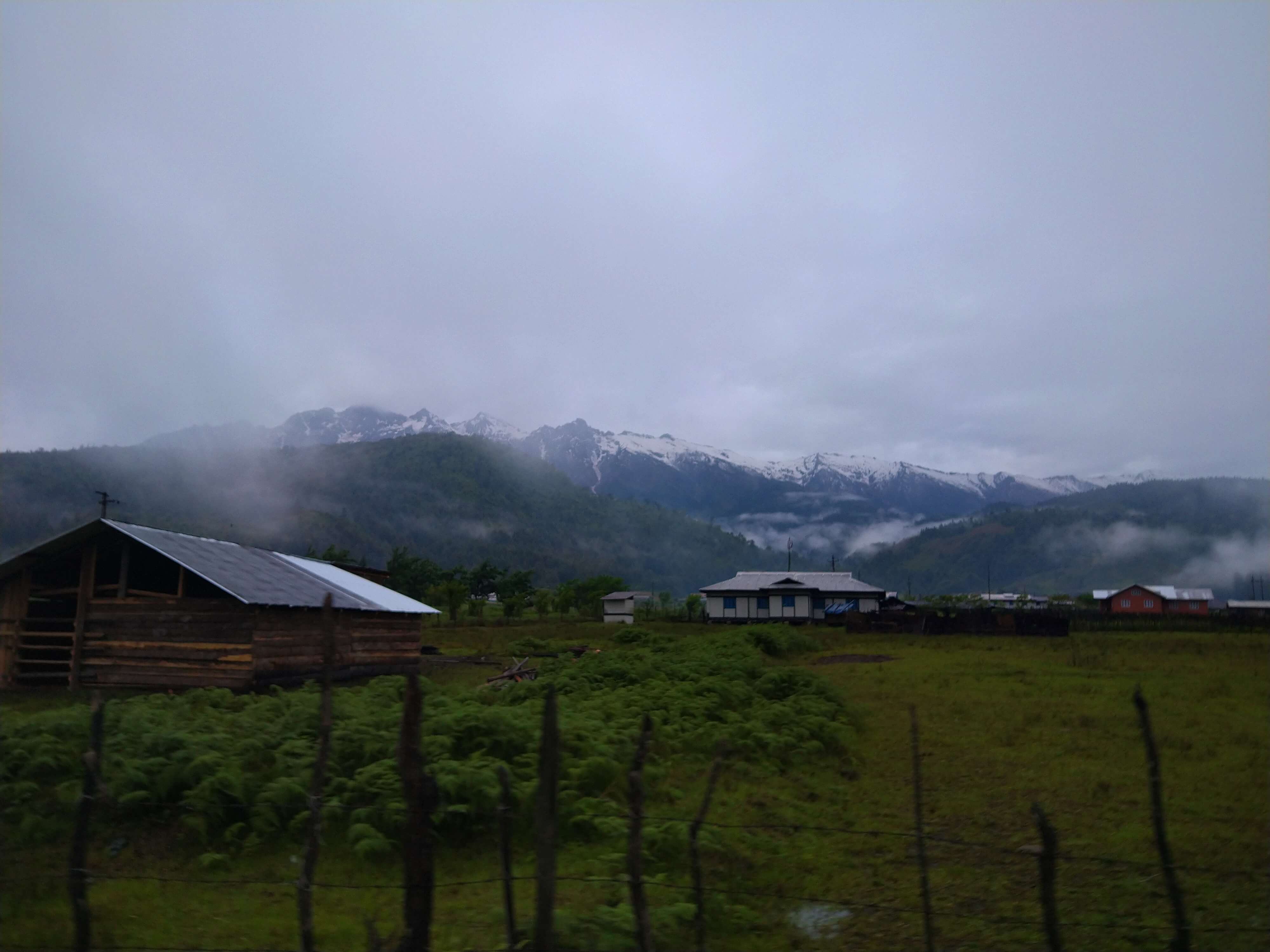
Magnificent Menchukha, surrounded by mighty peaks, lush green jungles, and deep gorges, was the best place we visited on our tour. Majestic Mechukha, known as the Switzerland of Arunachal Pradesh, fits the description of Shangri-La. The entire town is surrounded by mighty peaks capped with snow. You will surely experience a different life in Mechukha, close to nature and far from the rush.
How to Get to Mechukha
8 hours journey from Along – Sumo leaves around 5:30 AM – Rs. 500.
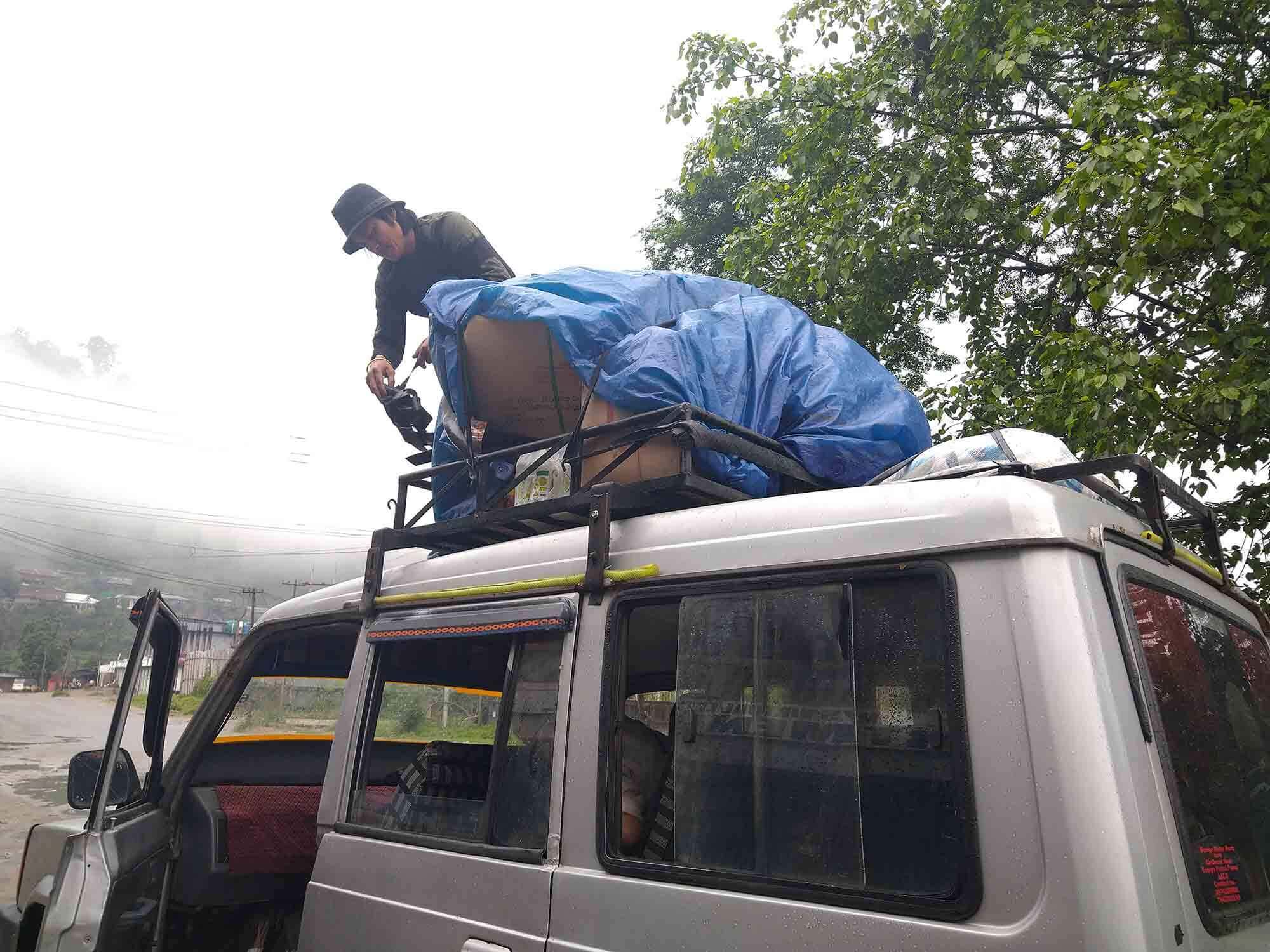
Note: Book your seat in advance as sumos get full quickly. Along serves as the main market of Mechukha, so there are chances that sumos fill up quickly due to pre-bookings.
Where to Stay in Mechukha?
There are several homestays in Mechukha.
- Almost Heritage: Rs. 800 for a single bed with a shared squat toilet (well maintained) and Rs. 1200 for a double bed with a television and private toilet. A value-for-money homestay in Mechukha with friendly hosts.
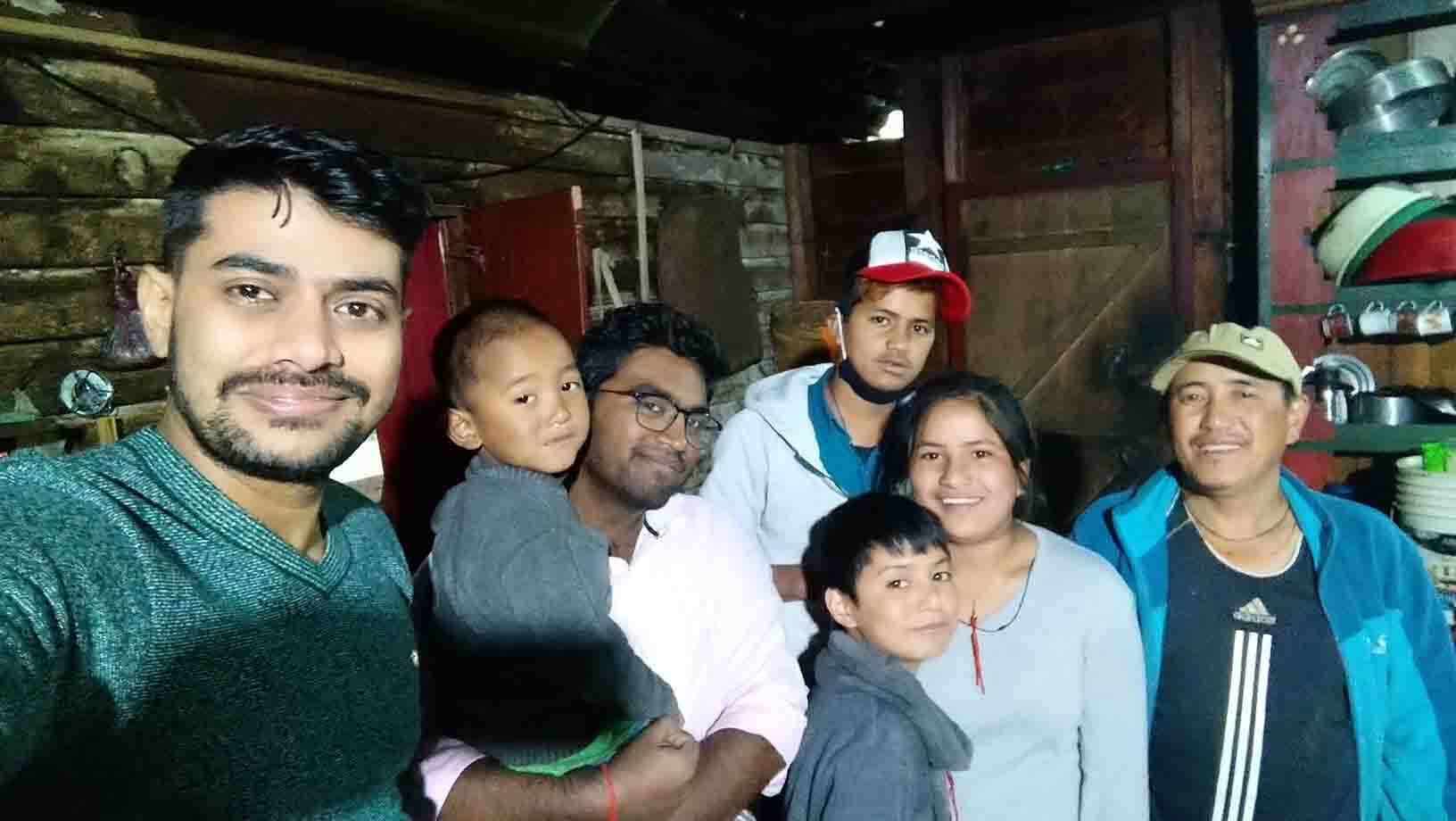
- Potala Homestay: Rs. 800 for a double with private toilet, on the main road across from town.
- Grace Homestay: Rs. 800 for a single bed and Rs. 1200 for a double bed with a private toilet.
Places to Visit
- New Gompa: Situated on a small hill and not too far from the main market, this is a must-visit place in Menchukha, offering a beautiful view of the city.
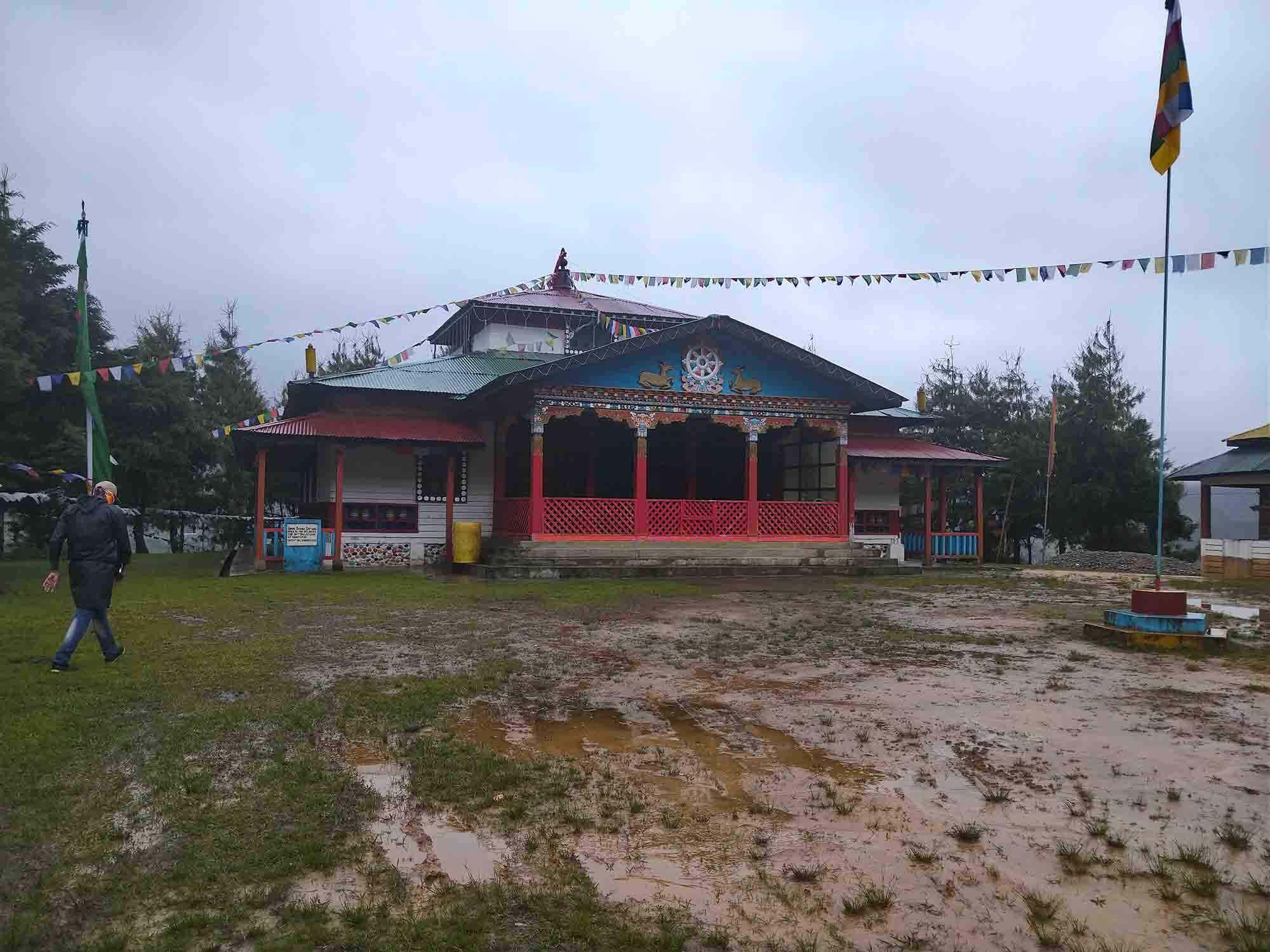
There is another gompa about 8 km from the main market known as Old Gompa. We planned to visit, but couldn’t due to incessant rains. It’s on our list for the next trip.
You should climb Mechukha hill to see a bird’s-eye view of the town. We planned to, but it was advised to trek it only in winters. There will be snakes and wild grass all over the hill during the monsoon season.
On average, you will need three to four days to see all the tourist attractions of Mechukha, as claimed by a co-passenger who was posted there and had good knowledge about the place. We are quite thankful to him for his guidance.
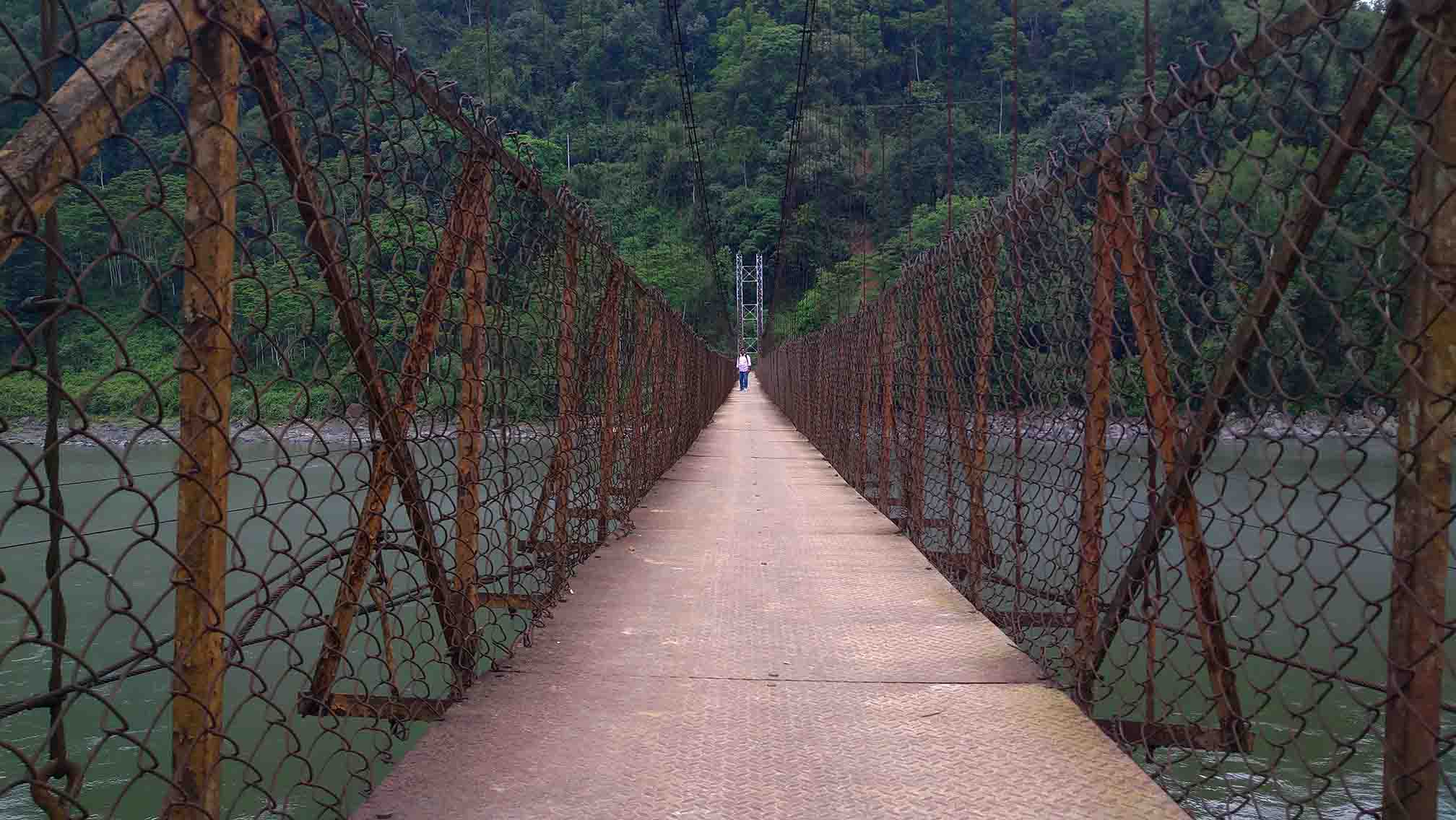
- Dorjelling: A village 6 km north of Mechukha. There are two ways to get there: you can trek a hill, which most locals do, or you can go by a recently constructed 8.5 km road under PMGSY. There is a hanging bridge over the river you should walk on to feel the thrill. The bridge is broken but still used by locals. There is a gompa, but we didn’t visit due to heavy incessant rains.
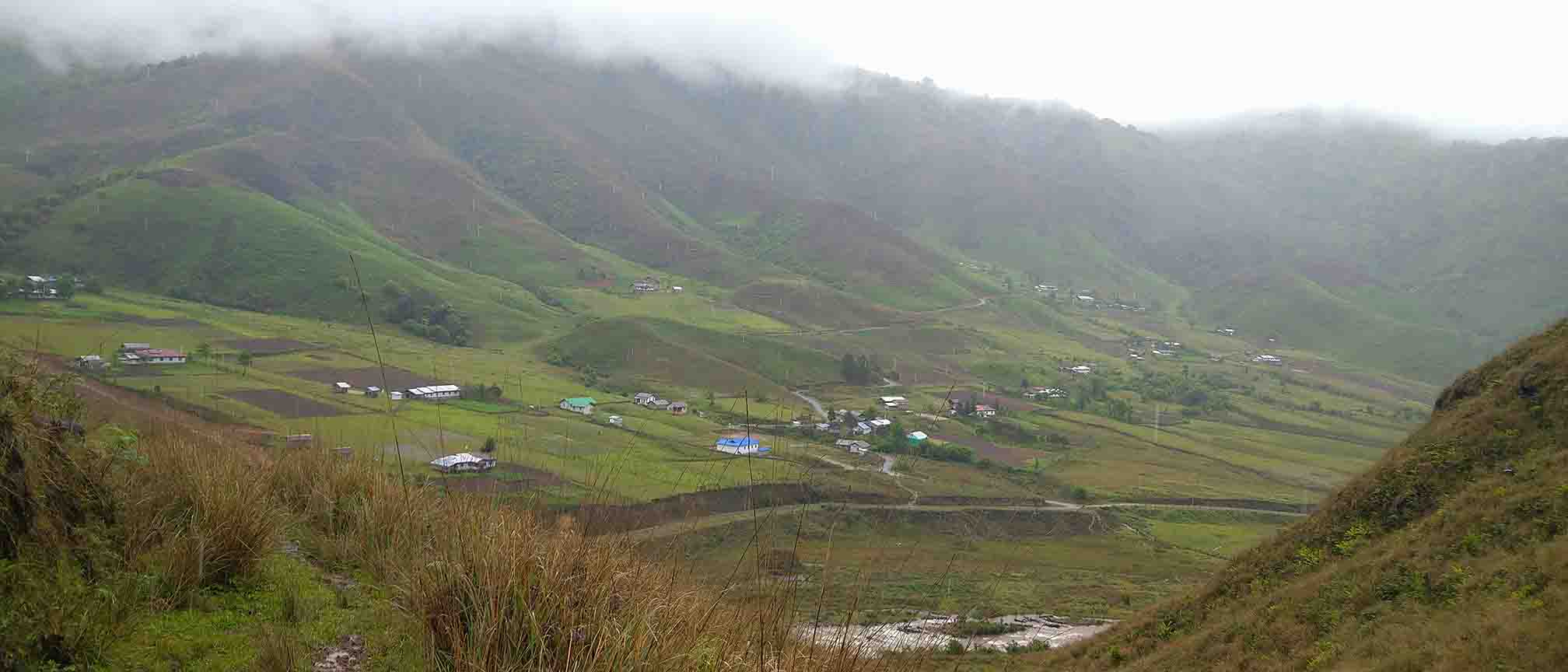
Note: Mechukha is famous for three things: snow, rain, and fire. During winters, mainly from November to early March, there will be snow. From May to September, there will be heavy incessant rains. During the break, ie., late September to November, there will be fire when the grass dries. The ideal time to visit Mechukha is either during winters when several sports activities are organized or in March and April.
Where to Eat in Mechukha?
The homestays in Mechukha are perhaps the best places to eat. They provide delicious veg and non-veg food for breakfast and dinner. Our homestay charged Rs. 130 for a veg thali with plenty of refills.
There are other nondescript restaurants in the main market, one of which is exactly opposite the sumo stand.
Tribes in Mechukha
Memba, Monpa.
Itanagar
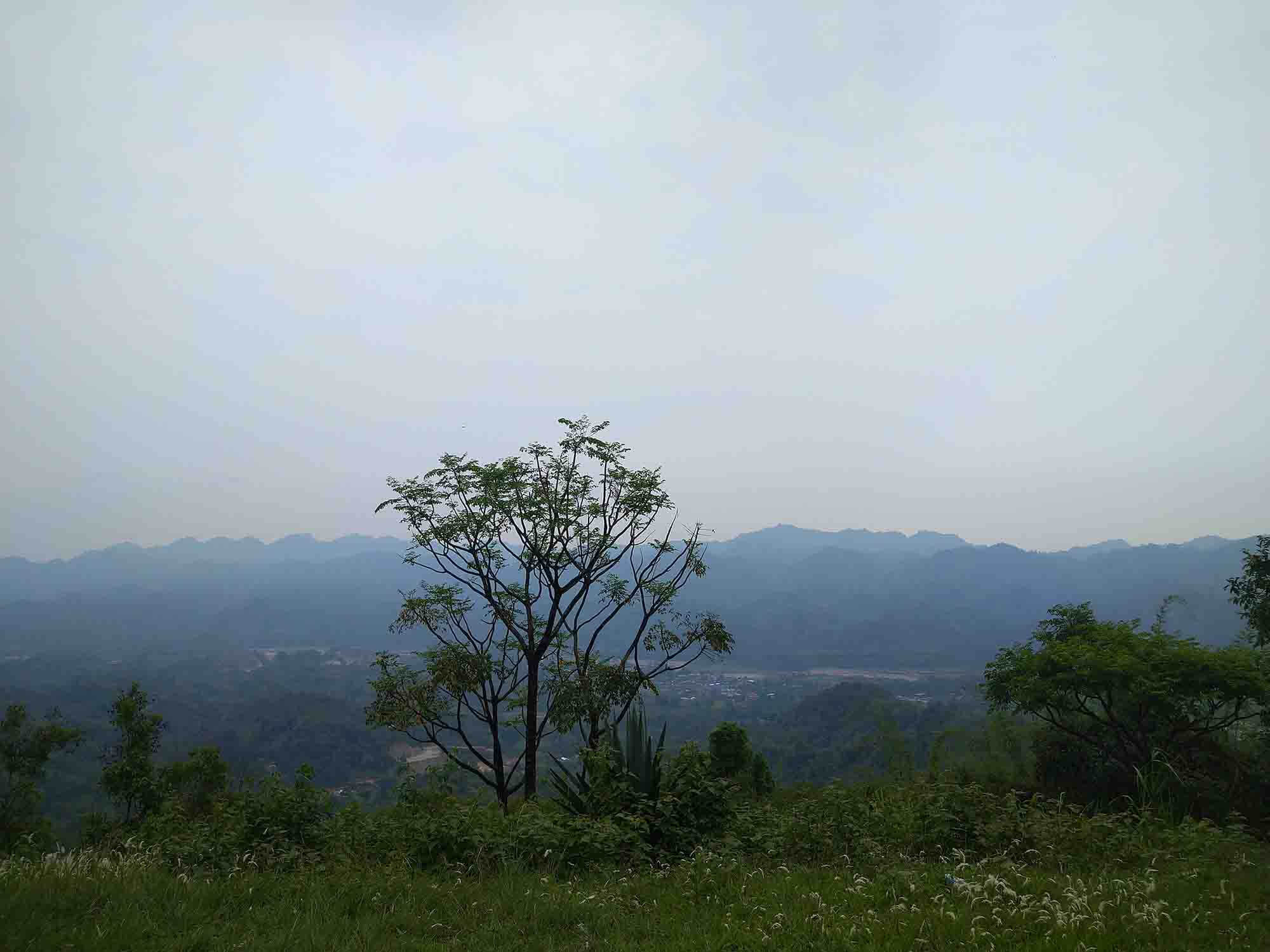
The capital city of Arunachal Pradesh is different from the rest of Arunachal. There is a crowd (compared to the rest of Arunachal), it is nondescript, but it still has a few things for first-time visitors. After the plains of Assam, you will come to Itanagar, kind of a gateway to the mountains of Arunachal Pradesh. We stayed for 2 days here, mainly to meet our friends who helped us a lot during the rest of our trip.
How to Get to Itanagar
8 hours from Along (we came from Along here).
If you are starting your trip from Itanagar, there is a direct train from Guwahati (Donyi Polo Express). There is also a Rajdhani Express from New Delhi, which takes approximately 40 hours. The preferred way is by flight to Guwahati and then catch the Donyi Polo Express. The train will drop you at Naharlagun, a town 15 km away from Itanagar.
Alternatively, you can take cabs, which will take 10-12 hours from Guwahati.
Note: Naharlagun can be a good alternative to stay if you can’t find accommodation in Itanagar.
Where to Stay
We stayed in Naharlagun, so we can help you with the hotels there.
- Hotel Arunachal: A good budget hotel near the sumo stand, Rs. 700 for a single bed and private toilet.
- Hotel Chandani: Provides a double bed with a private toilet for Rs. 1000.
Places to Visit
Gompa: Located at the top of a hill, this is a peaceful place where you can meditate and find inner peace away from the rush.
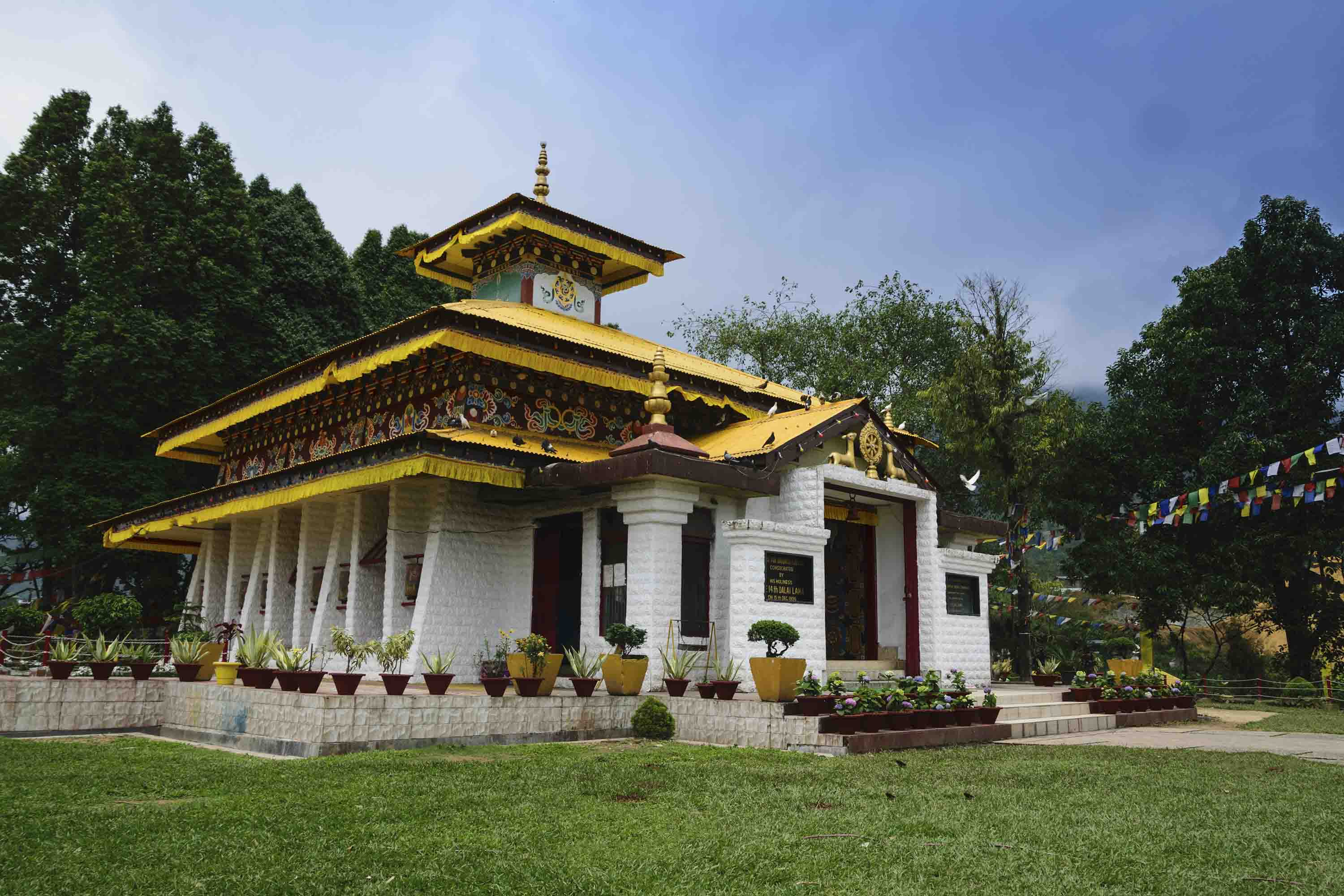
Gompa in Itanagar - State Museum: If you want to learn more about Arunachal, this museum is a good starting point. It provides interesting insights into the state’s culture and people.
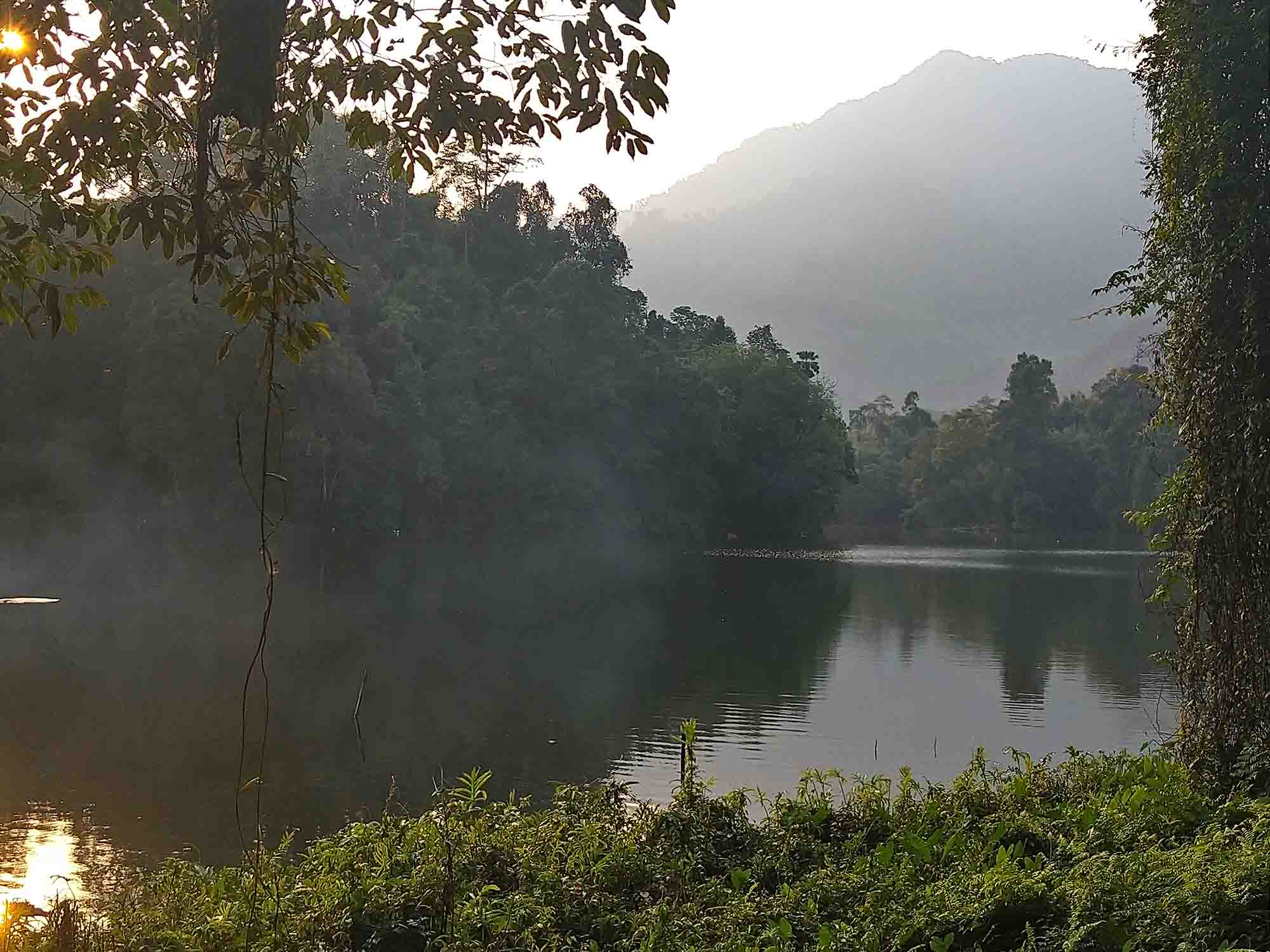
- Ganga Lake: Locally known as Gekar Sinyi, this is a must-visit place in Itanagar. It is a personal favorite, offering mesmerizing views in the morning and evening.
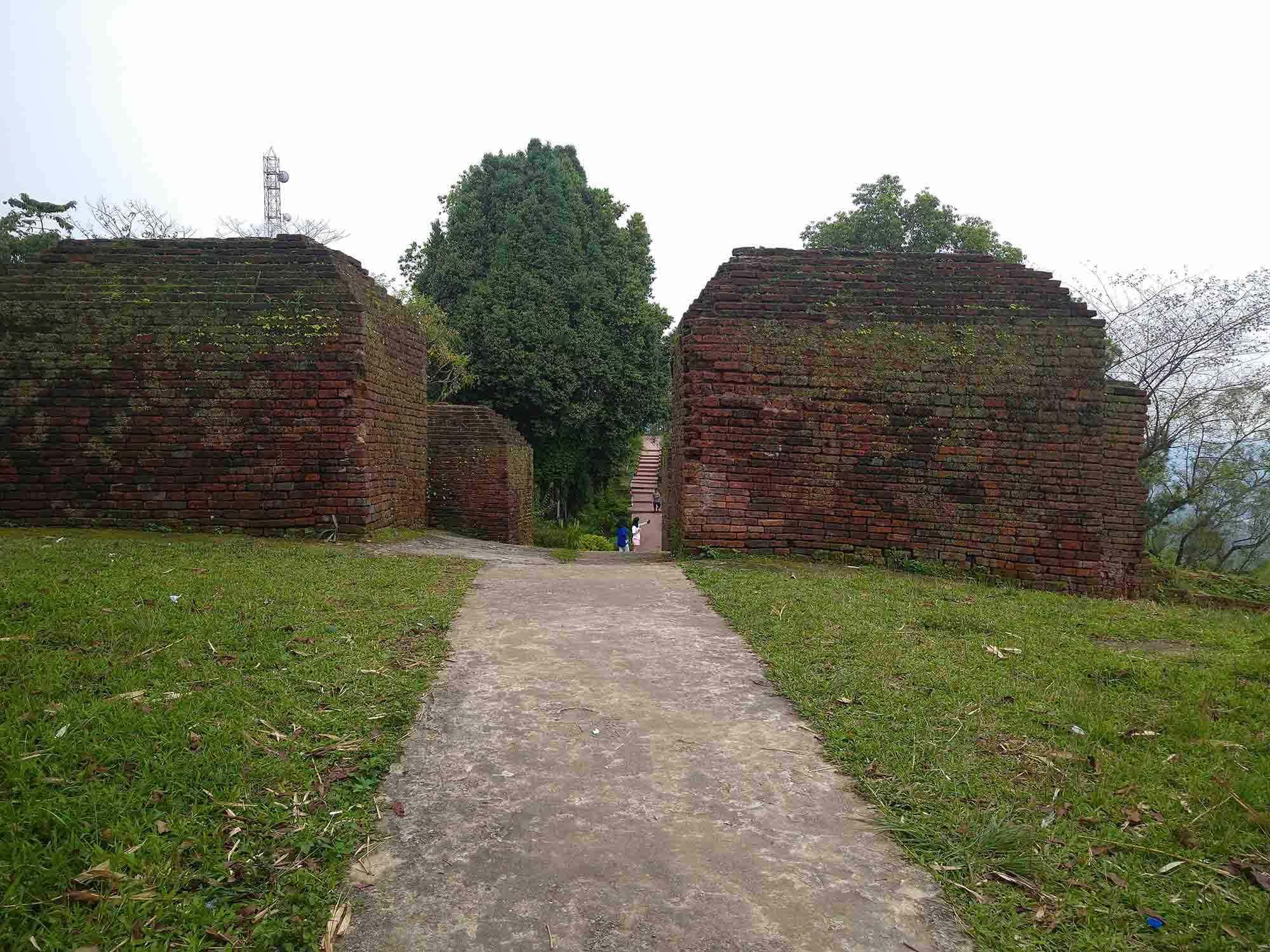
- Ita Fort: The ruins of Ita Fort, after which the city is named, are situated on a hill. It is a place for a picnic and photography, offering a bird’s-eye view of the entire city.
Where to Eat
- Hotel Mahalaxmi: This hotel serves perhaps the best food near the sumo counter in Naharlagun, offering a range of North and South Indian cuisines.
- There are also nondescript restaurants and food points in Itanagar where you can have momos, chowmein, and other cuisines.
Cost of Backpacking in Arunachal Pradesh
It’s hard to determine the exact cost of backpacking in Arunachal Pradesh, but we spent approximately Rs. 18,000 (Rs. 9,000 per person) for our 15-day tour (excluding train tickets to reach Dibrugarh).
I will write a detailed journal of our Arunachal expedition soon!
Budget accommodation tip: There are several government circuit houses, especially in every district and tourist circuit. They offer the best budget accommodation. However, bookings are subject to cancellation when there is a scheduled visit of government officials, which happens frequently.
Packing Checklist
- Flashlights or headlamps: To deal with power cuts!
- Socks: You are in the mountains; you can’t expect them to be hot.
- Rain covers for backpacks: Rain is a frequent visitor in Arunachal Pradesh; you need to be prepared.
- Water Bottles: Not the plastic ones. Be a good traveler, say no to plastic, and keep Arunachal clean!
- Power Bank (Portable battery pack): You can’t expect 24/7 power in the mountains.
- Insect repellent: Odomos for mosquitoes, salt for leeches. Trust me, you’ll need these things.
- Medicines: Especially for cold and cough. You can’t keep yourself away from the cold for too long here.
There is much more to write about Arunachal Pradesh that will help you a lot while planning a visit, but it would be wise to split the information. It will probably take a couple more articles to finish the backpacking series. Stay tuned for more!